



-
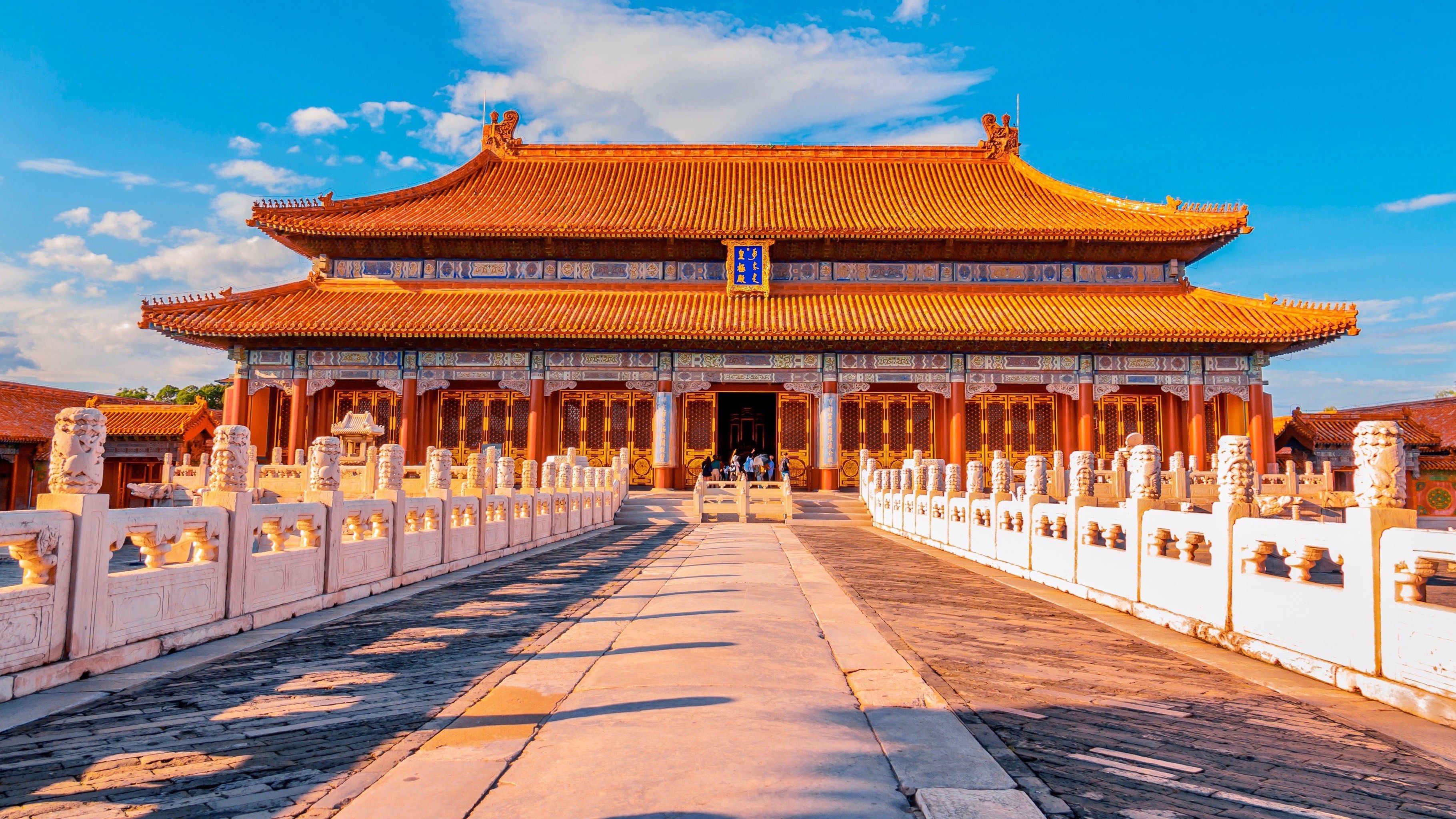 置顶 Discover the Timeless Elegance of Beijing's Cultural Heritage China-Beijing is a city that invites you to explore,to discover,and to experience.It is a place where the past is not just remembered but lived.Whether you are wandering through the grand halls of the Forbidden City,praying for good fortune at the Temple of Heaven,or savoring a street-side snack in a bustling hutong,you will be enveloped by the timeless elegance of Beijing's cultural heritage.This is a city that will capture your heart and leave you longing for more.
 -
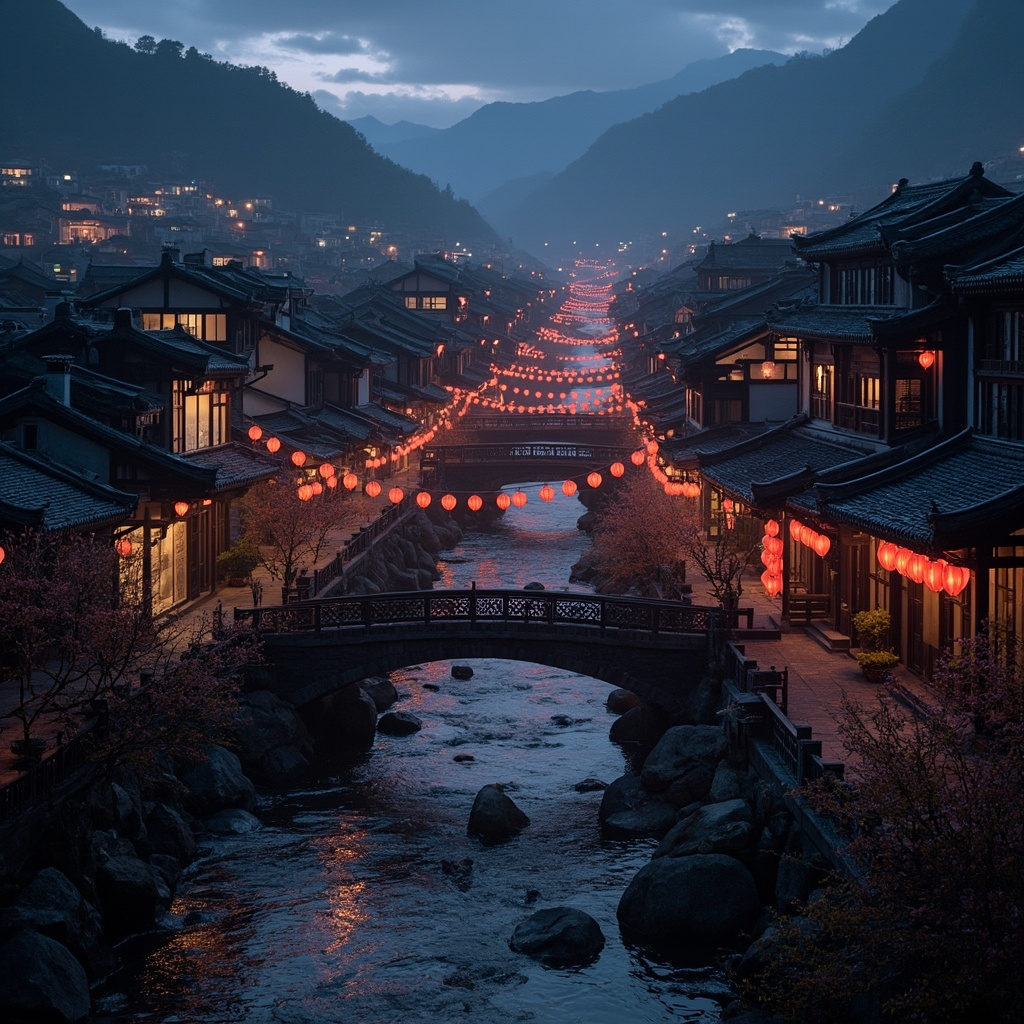 丽江古城:时光缓慢流淌的柔软时光 丽江古城:时光缓慢流淌的柔软时光 如果说中国还有一处地方能让时间慢下来,那一定是丽江。这座位于滇西北的千年古城,以其独特的纳西族文化和悠闲的生活节奏,成为无数旅人心中最后的乌托邦。 走进古城,首先映入眼帘的便是四方街。这个始建于宋代的古老广场,至今仍是古城的中心。每当傍晚时分,四方街便响起欢快的纳西族舞曲,身着民族服饰的阿婆阿爹们围成圈,跳起传统的“打跳”。你可以加入其中,感受这份最纯粹的快乐。街道两旁是鳞次栉比的木质老宅,檐角的滴水兽在阳光下闪着岁月的光泽,脚下是光滑的青石板路,被无数代人磨得锃亮。 沿着石板路向东,便来到了大研古城的标志性建筑——木府。这座“北有故宫,南有木府”的宏伟宅院,是纳西族土司的府邸。跨进大门,仿佛穿越了时空,飞檐翘角、雕梁画栋,无不诉说着当年土司家族的显赫与风雅。登上万卷楼,整个古城尽收眼底,远处的玉龙雪山在阳光下熠熠生辉,这一刻,你会明白为什么纳西族人称自己的家园为“巩本之七”。 从木府出来,步行不远便到了束河古镇。相比大研古城的繁华,束河更显宁静古朴。这里是茶马古道上保存最为完好的重要驿站,青龙河穿镇而过,河畔的垂柳随风摇曳。找一家临河的茶馆,点一壶普洱,看河水缓缓流过,感受岁月静好。束河的夜晚同样迷人,酒吧街的灯火渐次亮起,却不似大研那般喧嚣,更多了几分文艺与浪漫。 如果体力允许,不妨去文昌宫看看。这是古城海拔最高的古建筑群,建于清雍正年间。站在宫前的观景台上,古城全貌铺展在眼前,层层叠叠的青瓦屋顶与远山相接,构成一幅绝美的画卷。许多摄影爱好者清晨便在此守候,只为捕捉第一缕阳光洒在古城上的瞬间。 丽江古城就是这样一处地方,它不急于向你展示什么,而是等待你慢慢去发现、去感受。在这里,时间不再是紧迫的度量衡,而是一种可以慢慢品味的滋味。无论是漫步古巷,还是临河小坐,或是 merely 只是发发呆,都是对心灵最好的慰藉。
 -
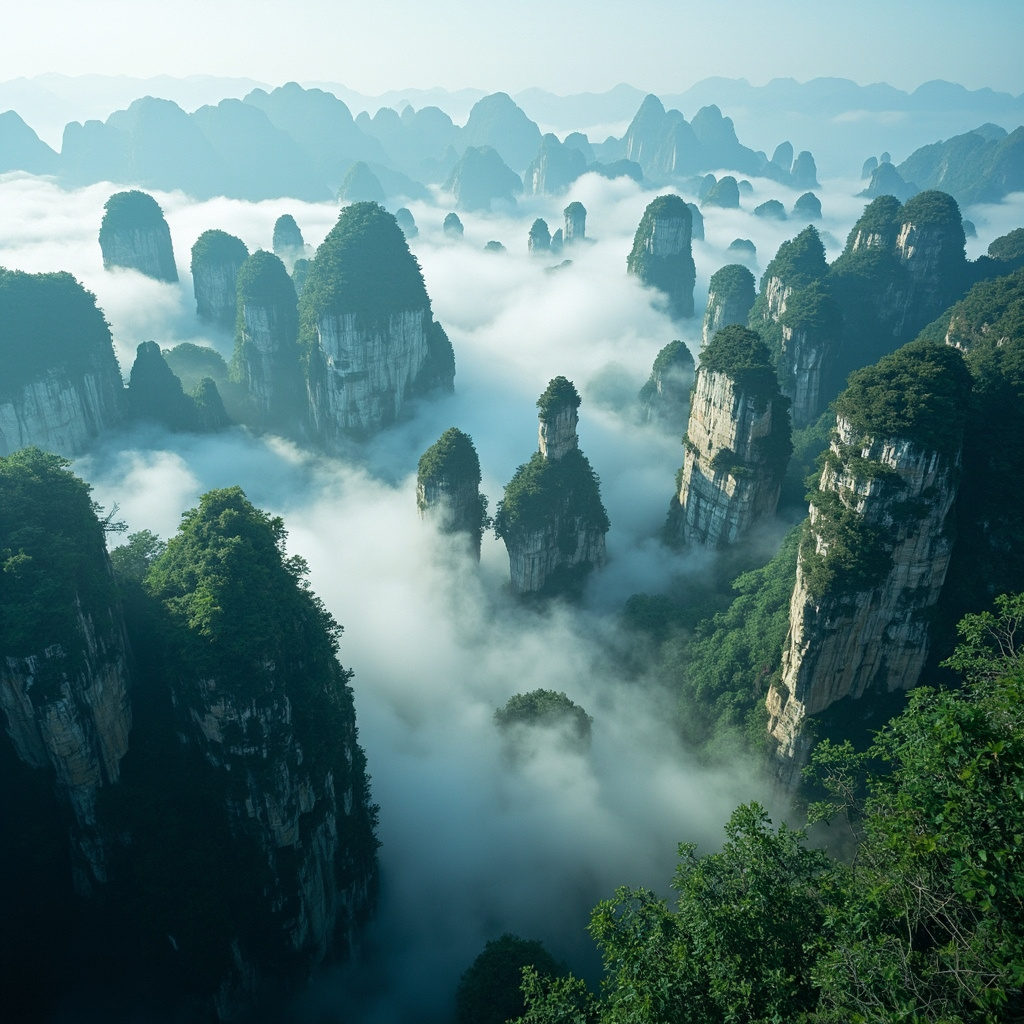
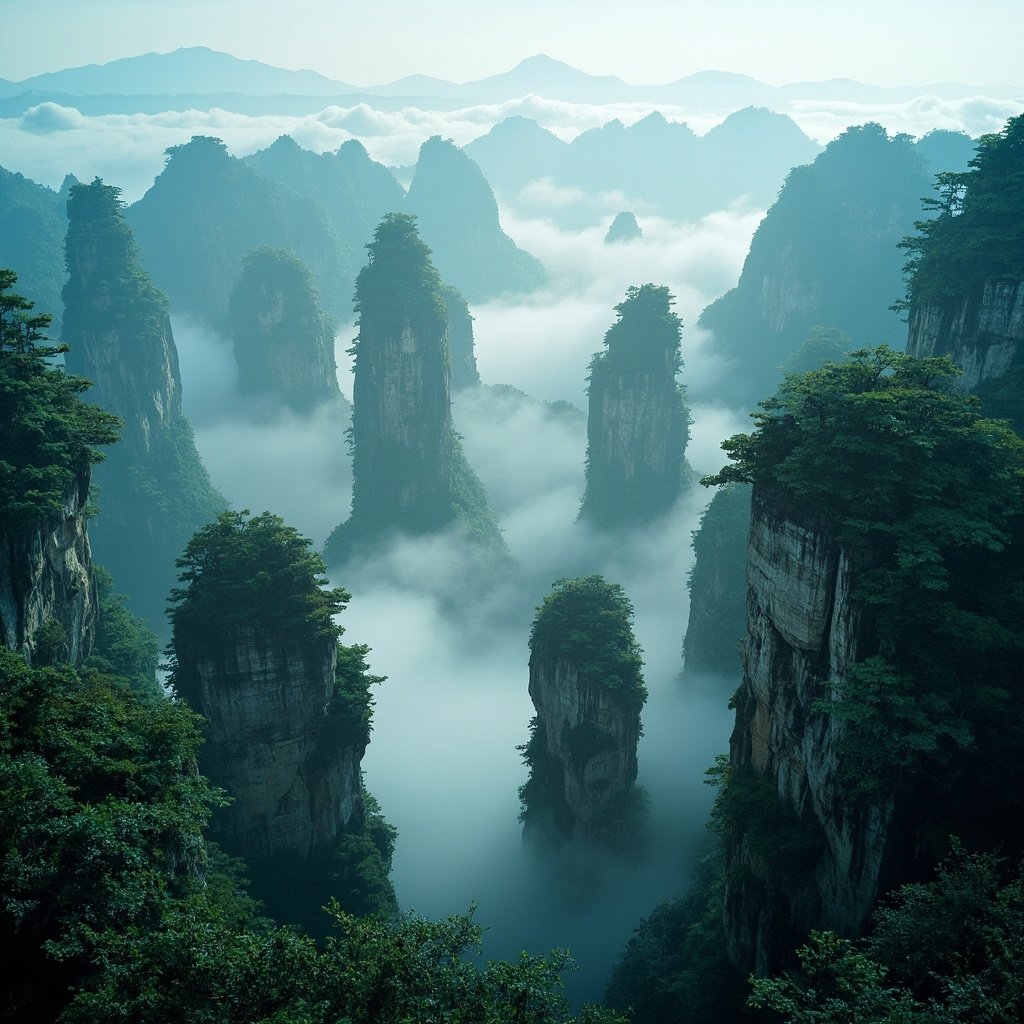 绝美张家界:走进奇峰异石的天然画卷 绝美张家界:走进奇峰异石的天然画卷 如果说有一处地方能让“仙境”不再是形容词,那么答案一定是张家界。这座位于湖南西北部的城市,以其独特的石英砂岩峰林地貌闻名于世,被誉为“扩大的盆景,缩小的仙境”。当你踏上这片土地,抬眼望去,三千奇峰拔地而起,八百秀水蜿蜒流淌,仿佛一幅徐徐展开的山水长卷,让人惊叹不已。 天门山:登临天界,俯瞰众生 天门山是张家界的标志性景观,海拔1518.6米,因自然形成的穿山溶洞——天门洞而得名。乘坐世界最长的高山客运索道缓缓上行,脚下是层层叠叠的云海与绿意盎然的山林,心中不由升起“一览众山小”的豪迈。到达山顶,沿着玻璃栈道漫步,脚下的透明栈道仿佛悬浮于悬崖之上,既刺激又令人沉醉。站在天门洞前,阳光穿透洞壁,洒下金色的光束,蔚为壮观。相传三国时期,景区所在地区附属吴国,而天门洞的形成被古人视为“吴楚东南第一奇”,为这片土地增添了几许神秘色彩。 袁家界:悬浮山屿,误入仙侠世界 袁家界是张家界的核心景区之一,也是电影《阿凡达》中“哈利路亚山”的原型取景地。这里的石峰高耸入云,形态各异,有的如定海神针直插天际,有的似巨斧劈开一般险峻异常。站在“天下第一桥”上,两座石峰之间自然形成的天然石桥横跨山谷,桥下是深不见底的峡谷,云雾缭绕间,仿佛真的通往另一个世界。漫步在袁家界,每一步都是惊喜,每一景都让人想起武侠小说中的世外高人隐居之地。 金鞭溪:溪水潺潺,邂逅山水柔情 如果说袁家界是张家界的“硬朗骨骼”,那么金鞭溪便是它的“温柔灵魂”。这条全长约7.5公里的溪流,穿行于峰林之间,水清石秀,鸟鸣山幽。沿溪而行,金鞭岩高耸入云,岩壁如刀削般陡峭,倒映在清澈的溪水中,构成一幅绝美的对称画卷。漫步在溪边的游道上,呼吸着富含负氧离子的清新空气,听着溪水叮咚,仿佛所有的烦恼都被这山水一一化解。
 -
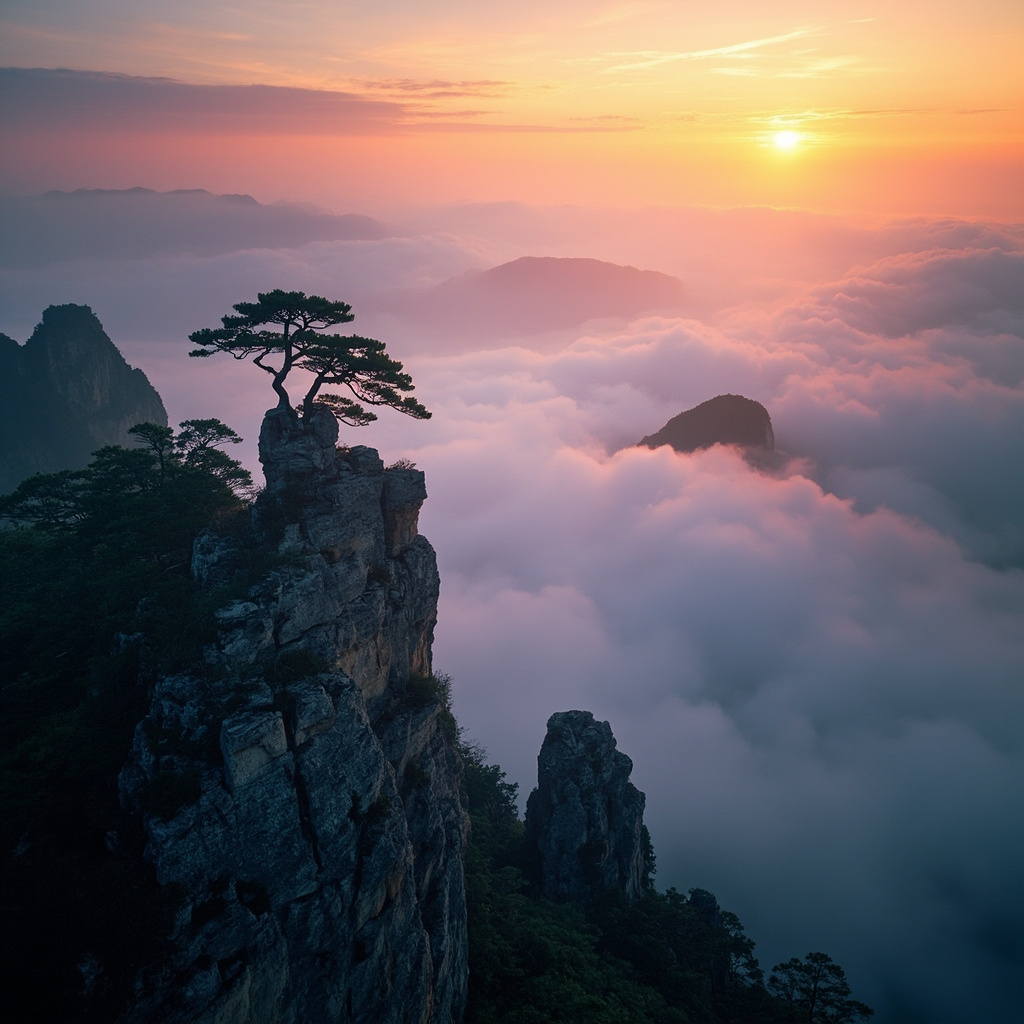 黄山——云海松风的人间仙境 黄山——云海松风的人间仙境 黄山,古称黟山,位于安徽省黄山市境内,以奇松、怪石、云海、温泉“四绝”闻名于世。徐霞客曾赞叹“五岳归来不看山,黄山归来不看岳”,这座集天地之灵秀的人间仙境,自古便是文人墨客心驰神往的圣地。 黄山最负盛名的迎客松,位于玉屏楼前,树龄已逾千年。它姿态优雅,雍容大度,一侧枝桠斜伸,如好客的主人伸展臂膀迎接远道而来的宾客。登上天都峰,极目远眺,但见群峰耸立,云海翻涌。莲花峰、光明顶诸峰尽收眼底,让人不禁感叹天地造物之神奇。 黄山的松与石,构成了山上最独特的景观。黄山松形态各异,或倾斜,或倒挂,或破石而出,或扎根悬崖,却都展现出顽强的生命力。著名的黑虎松、连理松、龙爪松,每一株都有属于自己的故事。黄山的怪石更是星罗棋布,“仙人指路”栩栩如生,“猴子观海”惹人怜爱,“飞来石”凭空而立,引人无限遐想。这些奇松怪石相互映衬,构成了黄山独有的自然画卷。 黄山云海,被誉为“天下第一奇观”。清晨时分立于光明顶或始信峰,看云雾在山谷间翻腾涌动,时而如海浪滔天,时而如轻纱曼舞。朝阳初升,金色的光芒穿透云层,将云海染成绚烂的彩霞壮阔的日出景象让人恍若置身仙境。 登山之余,黄山温泉是不可错过的享受。古称“汤泉”的黄山温泉,水温常年保持在42℃左右,富含多种微量元素,具有良好的医疗保健功效。登顶之后,泡一泡温泉,洗去满身疲惫,在氤氲热气中静观山色,实乃人生一大乐事。 黄山的美景难以言表,唯有亲身踏足才能真正体会。收拾行囊,踏上这片神奇的土地,去寻找属于你的黄山记忆吧!
 -
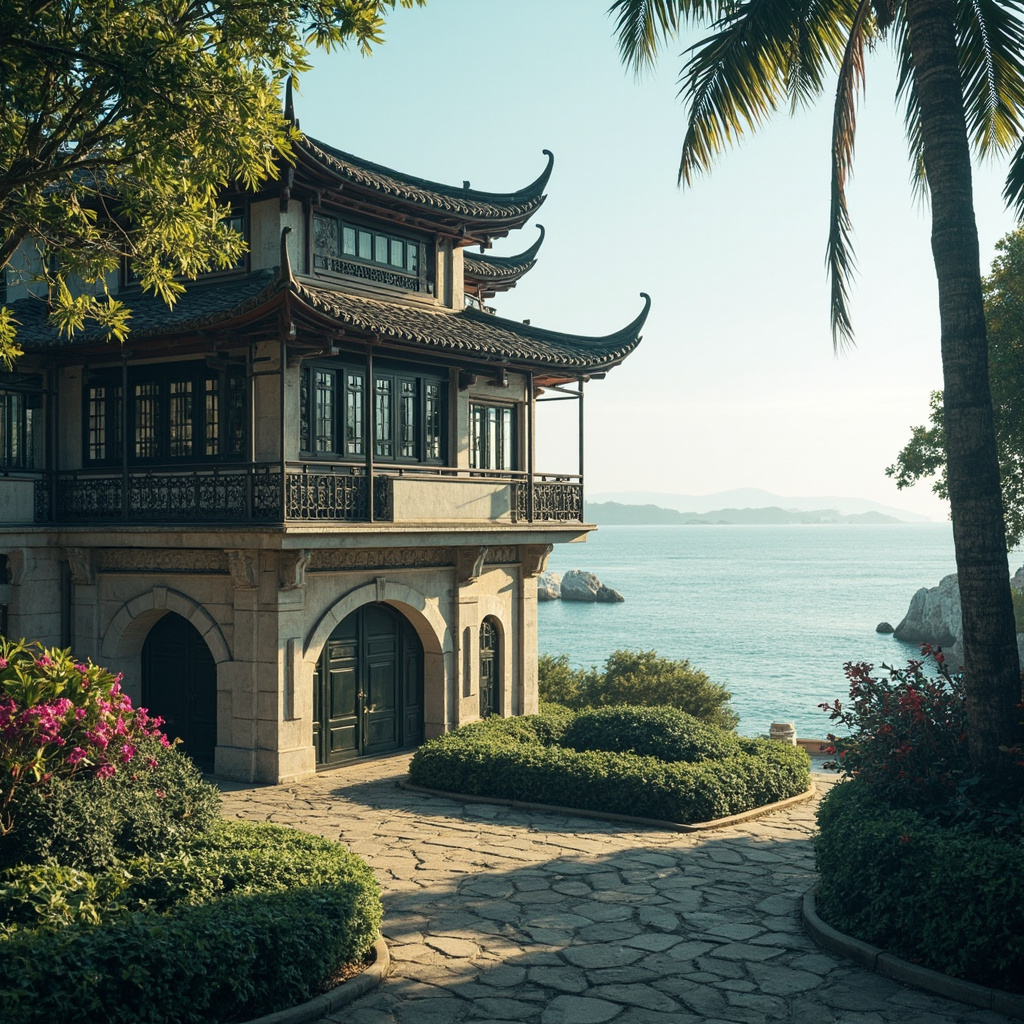 鼓浪屿:海上花园的浪漫诗篇 鼓浪屿:海上花园的浪漫诗篇 在厦门鹭江的对岸,有一座小岛以其独特的万国建筑、悠扬的琴声和浪漫的海岛风情闻名于世——鼓浪屿。这座面积仅约2平方公里的小岛,被誉为“海上花园”,是中国最具魅力的历史国际社区之一,也是世界文化遗产地。踏上这片土地,仿佛走进了一幅中西合璧的画卷,古老的欧式建筑与闽南红砖古厝交相辉映,钢琴声从巷深处飘来,海风轻拂椰林,每一步都是惊喜。 日光岩是鼓浪屿的最高峰,也是俯瞰全岛的最佳观景点。相传郑成功曾在此操练水师,岩壁上至今留存着他的石刻。沿着蜿蜒的石阶登顶,厦门本岛的海天壮景与鼓浪屿的红瓦绿树尽收眼底,清晨可迎着第一缕阳光,傍晚可赏落日余晖将海面染成金色,是摄影爱好者的天堂。 沿着海边漫步,菽庄花园以其精致的园林艺术令人流连。这座建于1913年的私人园林,巧妙地将海景借入园中,园内假山亭榭、流水曲桥与大海相映成趣。花园一侧的钢琴博物馆收藏了来自世界各地的近百架古钢琴,每一架都诉说着岁月的故事。置身其中,聆听曼妙的琴音,仿佛穿越到那个琴声悠扬的浪漫年代。 如果你喜欢探寻历史的痕迹,龙头路商业街一定不能错过。这条不到千米的老街,汇聚了闽南小吃与南洋风味,凤梨酥、沙茶面、海鲜烧烤的香气弥漫在空气中。街边的老建筑如今改造成了风格各异的咖啡馆和文创店,你可以在这里品一杯手冲咖啡,挑选几件心仪的手作,感受慢生活的惬意。 鼓浪屿的美,是需要用脚步去丈量的。走在那些被时光磨光的石板路上,听着远处传来的钢琴声,看着海边落日的余晖,你会明白为什么这座小岛能成为无数人心中向往的浪漫之地。无论是独自旅行、蜜月度假,还是与家人朋友同游,鼓浪屿都会给你留下难忘的记忆。
 -
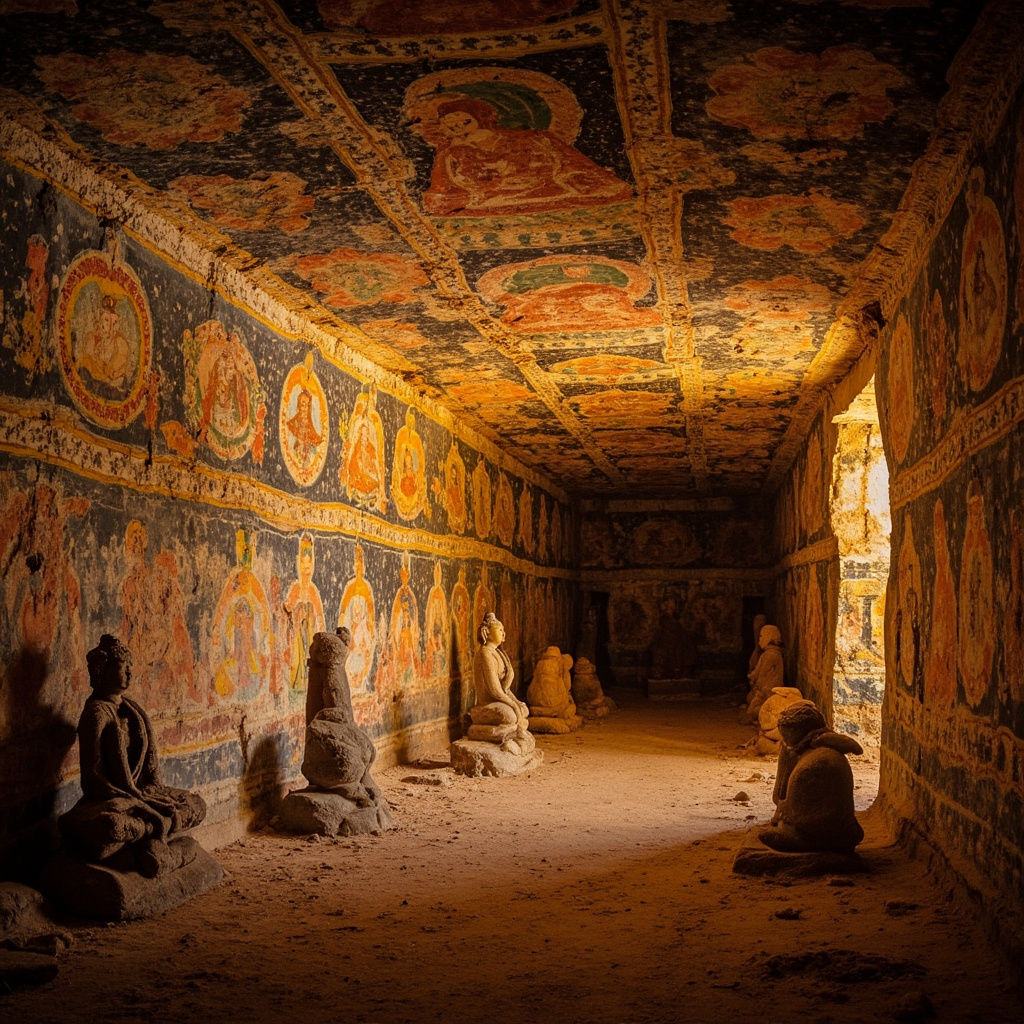 穿越千年的艺术圣殿——敦煌莫高窟旅游指南 穿越千年的艺术圣殿——敦煌莫高窟旅游指南 在中国西北的荒漠戈壁中,有一处令世界惊叹的艺术瑰宝——敦煌莫高窟。这座开凿于公元4世纪的佛教艺术宝库,历经千年营建,现存洞窟735个,壁画4.5万平方米,彩塑2415尊,是世界上现存规模最大、内容最丰富的佛教艺术圣地。当你踏上这片黄土地,仿佛穿越时空,走进了一部生动的佛教艺术史书。 走进莫高窟,首先映入眼帘的是那些精美绝伦的壁画。这些壁画内容丰富,题材广泛,既有佛教故事的经变画,又有反映古代社会生活的民俗画。色彩历经千年依然鲜艳夺目,线条流畅如行云流水,每一笔每一画都凝聚着古代工匠的智慧与心血。其中,著名的《反弹琵琶》壁画更是莫高窟的标志性形象,舞者姿态优美,衣袂飘飘,将大唐盛世的繁华与自信展现得淋漓尽致。 继续深入参观,藏经洞的故事令人感慨万千。1900年,道士王圆箓在清理洞窟时意外发现了这个封闭了近千年的密室,出土了包括经卷、文书、绢画在内的珍贵文物5万余件。这些文物涉及古代政治、经济、文化、宗教等多个领域,被誉为“20世纪最有价值的文化发现”。虽然大量文物如今散落在世界各地,但藏经洞的发现本身,就足以让每一个来到莫高窟的人心生敬意。 在众多洞窟中,96窟的“北大像”不可错过。这尊高达35.5米的弥勒佛像,是莫高窟最大的石胎泥塑佛像,开凿于武则天时期。佛像庄严肃穆,双目低垂,仿佛在俯视着芸芸众生,诉说着千年的沧桑与辉煌。站在佛像脚下,你会感受到一种前所未有的震撼与敬畏,这就是信仰的力量,这就是艺术的魅力。 除了欣赏精美的艺术珍品,莫高窟周边的鸣沙山月牙泉同样值得一游。沙水共生的奇观让人叹为观止,骑骆驼登上鸣沙山,俯瞰月牙泉的静谧之美,仿佛回到了古代丝绸之路的繁华盛景。 敦煌莫高窟,是一部活着的历史,是一首凝固的诗篇。这里每一尊佛像,每一幅壁画,都承载着先人的智慧与梦想。
 -
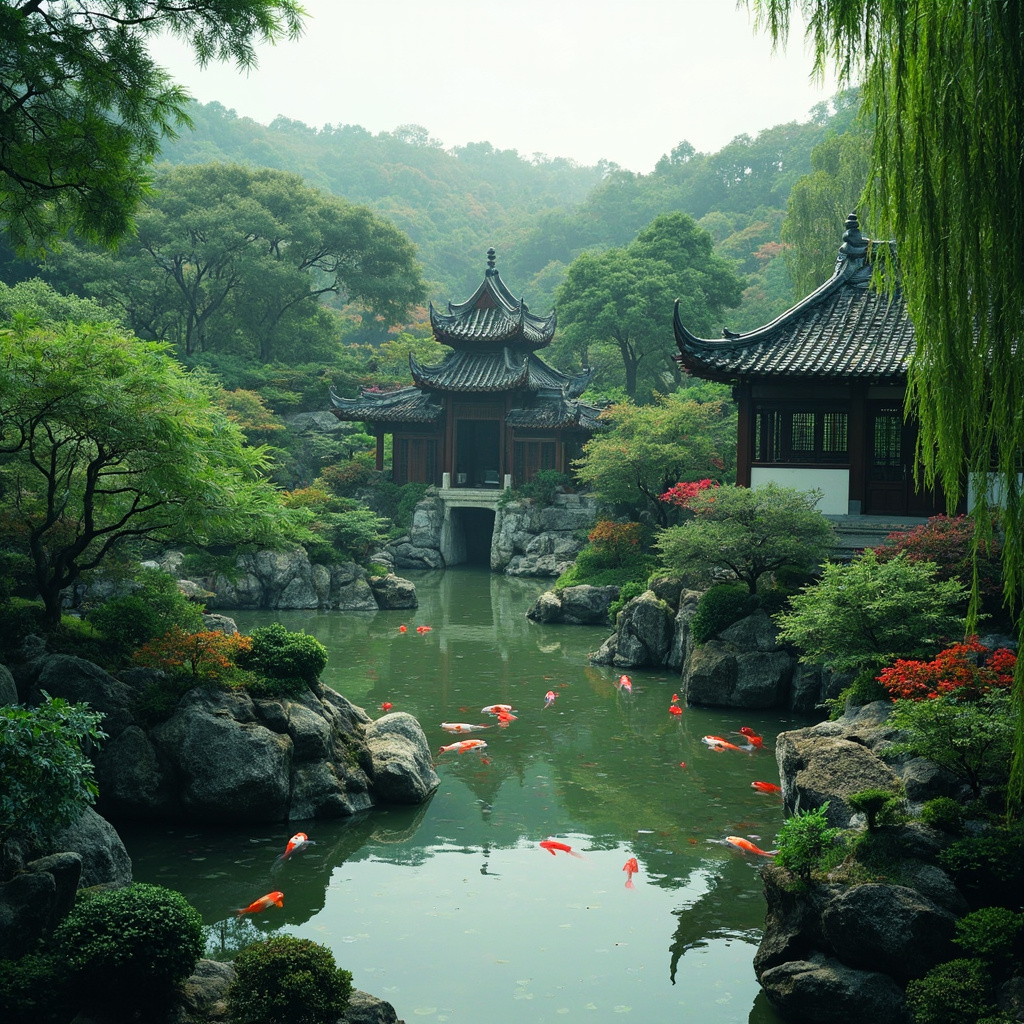 烟雨江南何处去,姑苏园林画中游 烟雨江南何处去,姑苏园林画中游 苏州,这座拥有两千五百余年历史的文化古城,以其精致的古典园林闻名于世。粉墙黛瓦、假山流水、移步换景、曲径通幽——每一座园林都是一幅徐徐展开的山水画卷,承载着文人墨客的审美情趣与哲学思考。走进苏州园林,便踏入了一场穿越时空的诗意之旅。 拙政园乃中国四大名园之首,占地面积约五公顷,堪称苏州园林的集大成者。园中以水为中心,建筑、山石、植物巧妙布局,形成“虽由人作,宛自天开”的自然意境。远香堂香远益清,听雨轩雨声淅沥,荷风四面亭清香袭人……每一处景致都蕴含着主人在明嘉靖年间归隐田园的理想与情怀。 留园以精湛的建筑艺术著称于世,有“吴中第一名园”之美誉。园内建筑风格变化万千,廊桥曲折通幽,漏窗形态各异,巧妙地将空间分割成若干景区,却又彼此呼应、浑然一体。冠云峰巍然屹立太湖之畔,寓意主人高洁的品格;楠木殿金砖铺地,尽显清代富丽堂皇的气派。漫步留园,仿佛穿行于一部精美的建筑教科书之中。 狮子林以假山著称,园中湖石假山形态各异,或如狮子蹲踞,或如仙鹤起舞,素有“假山王国”之称。乾隆皇帝六次南巡皆驻足于此,亲笔题写“真趣”匾额。园林布局紧凑精巧,洞壑幽深,移步换景间常有“山重水复疑无路,柳暗花明又一村”的惊喜。穿梭于石洞之间,童趣盎然,是摄影爱好者的取景圣地。 沧浪亭是苏州现存最古老的园林,始建于北宋诗人苏舜钦之手。“沧浪之水清兮,可以濯吾缨”的诗意赋予了园林超凡脱俗的气质。园中以山为主景,环山设廊,廊外临水,内外空间相互渗透,形成“未入园先得景”的独特效果。竹影摇曳间,古朴淡雅之气扑面而来,让人心境澄明。 苏州园林之美,美在匠心独运的造景艺术,美在“天人合一”的哲学境界,更美在每一处细节所蕴含的文化底蕴。若有机会亲临其境,不妨放慢脚步,细细品味那些藏在粉墙黛瓦间的诗意与柔情。
 -
探秘紫禁城:穿越六百年的帝王印记 探秘紫禁城:穿越六百年的帝王印记 北京故宫,这座承载着明清两代皇室辉煌的宏伟宫殿,是每一位来北京旅行的游客不可错过的文化圣地。红墙金瓦间,浓缩着六百年的沧桑岁月,让我们在时光流转中感受帝王之都的庄严与神秘。 走进午门,便正式踏入这座被誉为"世界五大宫之首"的紫禁城。太和殿广场开阔雄伟,三层汉白玉石基托举着金銮宝殿,这里是皇帝举行大典的圣地。站在殿前仰望,脊兽排列、斗拱飞檐,无不彰显着古代工匠的卓越智慧。阳光洒落,金瓦生辉,仿佛穿越回那个万国来朝的鼎盛时代。 沿着中轴线北行,太和殿、中和殿、保和殿依次展开,构成了故宫的核心建筑群。每一座殿宇都有其独特的功能与故事:太和殿是皇帝登基、举行大婚、接见群臣的场所;中和殿是皇帝大典前休憩和处理政务之地;保和殿则是科举殿试的考场。行走其间,厚重历史感扑面而来。 后宫区域则展现了帝王生活的另一面。坤宁宫、长春宫、储秀宫等建筑精致典雅,雕梁画栋、富丽堂皇。御花园虽小却浓缩江南园林精华,奇石假山、亭台水榭,尽显皇家园林的匠心独运。漫步其中,仿佛能看到后宫佳人的绰约身影,感受到这座宫殿曾经的恩怨情仇。 游览故宫 Tips: 建议提前在官网预约门票,避免排长队 预留充足时间,建议3-4小时深度游览 租用讲解器或跟随导游,更好地了解历史故事 穿着舒适的运动鞋,宫殿面积广阔
-
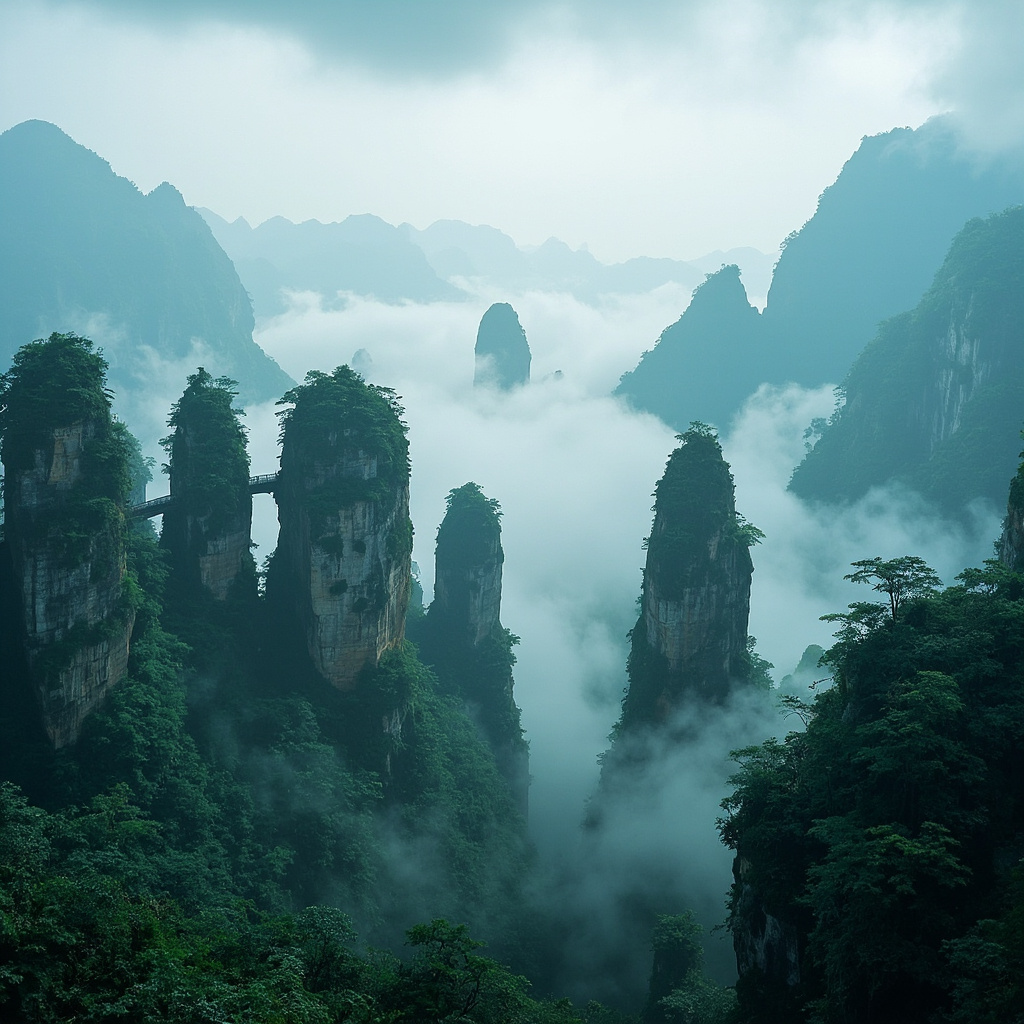 奇峰异石·云端仙境:张家界旅游全攻略 奇峰异石·云端仙境:张家界旅游全攻略 “扩大的盆景,缩小的仙境”——张家界,这座被列入世界自然遗产名录的山水之城,以其独特的石英砂岩峰林地貌闻名于世。如果你向往壮阔的云海奇观,渴望探索地球最古老的石峰,那么张家界一定是你此生必去的目的地。 天门山:挑战极限的云端漫步 乘坐世界最长的高山客运索道登临天门山脚下,缆车缓缓攀升,脚下的城市渐行渐远,取而代之的是连绵的翠绿山峰。当索道穿越云层的那一刻,视野豁然开朗,天门洞如一扇通往仙界的大门巍然矗立。站在玻璃栈道上低头俯瞰脚下透明的栈道与深不见底的峡谷,心中涌起的是一种难以言表的震撼。阳光穿透云层洒在999级台阶上,仿佛为登顶者铺设了一条通往天堂的道路。 张家界国家森林公园:迷失在阿凡达的奇幻世界 走进张家界国家森林公园,就像踏入了一幅流动的水墨画卷。这里的石峰千姿百态,有的如利剑直插云霄,有的似人物惟妙惟肖,有的像飞禽走兽形态各异。袁家界的“天下第一桥”是两座山峰之间天然形成的石桥,桥宽约2米,长约20米,漫步其上,左右都是万丈深渊,让人惊叹于大自然的鬼斧神工。漫步在金鞭溪畔,溪水清澈见底,两侧峰林倒映水中,构成了一幅天然的水墨山水画。 黄龙洞:地下宫殿的奇幻探险 如果你以为张家界只有地面上的奇峰,那黄龙洞一定会颠覆你的想象。这座被誉为“地下魔宫”的溶洞内部空间巨大,钟乳石、石笋、石柱遍布其中。在彩色灯光的映照下,龙宫内的定海神针格外醒目——一根高达19.2米的石笋,纤细均匀,被投保亿元。泛舟洞中地下河上,头顶的钟乳石不断滴水,仿佛穿越到了一个神秘的地下世界。 宝峰湖:山水之间的诗意栖居 宝峰湖是张家界最大的人工湖,湖水清澈如镜,四周群山环绕。乘坐环保船漫游湖上,但见两岸峰峦叠嶂,偶有飞鸟掠过水面,泛起层层涟漪。
 -
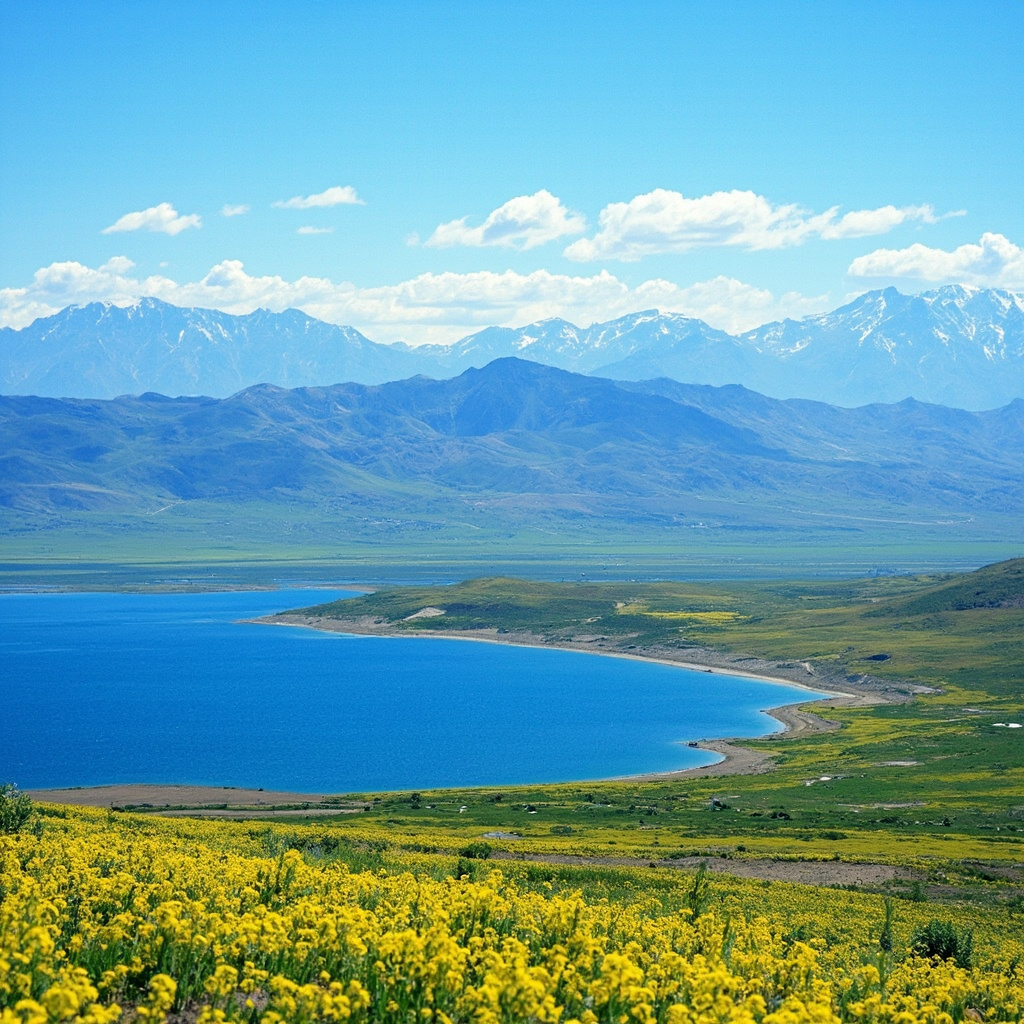 青海湖——高原明珠的绝美画卷 青海湖——高原明珠的绝美画卷 青海湖,位于青海省东北部,是中国最大的内陆咸水湖,海拔3196米,四周祁连山环抱,湖水碧蓝如镜,天际的云彩倒映其上,宛如一幅流动的山水画卷。无论是自驾环湖,还是徒步探幽,都能感受到这片高原湖泊独有的宁静与壮阔。 鸟岛,位于湖东侧的布哈河口,是亚洲最大的鸟类栖息地之一。每年春夏,上万只斑头雁、鸬鹚、黑颈鹤在此筑巢繁衍,湖畔的湿地成了鸟类的天堂。站在观鸟台上,万羽齐飞的壮观场面让人心潮澎湃,仿佛听见大自然的交响乐。 沙岛,坐落在湖的西岸,因湖岸线被风沙侵蚀而形成独特的沙丘景观。细软的金色沙粒在阳光下闪闪发光,宛若一片金色的海洋。游客可以在这里体验滑沙、骑骆驼,亦可在沙丘之巅俯瞰青海湖的全景,湖水与沙丘交相辉映,构成一幅别样的塞外风光。 金银滩草原,位于湖的南岸,是青海湖边最具代表性的高山草甸。夏季,碧草如毯,野花点点,牧民赶着羊群悠闲放牧,空气中弥漫着青草的清香。骑行或徒步于此,仿佛置身于世外桃源,所有的尘世喧嚣都被这片广阔的绿意所驱散。 青海湖以其独特的自然景观和深厚的民族文化,吸引着无数旅者前来膜拜。无论是追寻候鸟的踪迹,还是在沙丘上感受风的律动,抑或在金银滩草原上聆听牧歌,这里都有让人流连忘返的理由。踏上这片高原明珠,你的每一步都将收获意想不到的惊喜。 青海湖 #旅行 #自驾游 #高原风光 #鸟岛 #沙岛 #金银滩草原