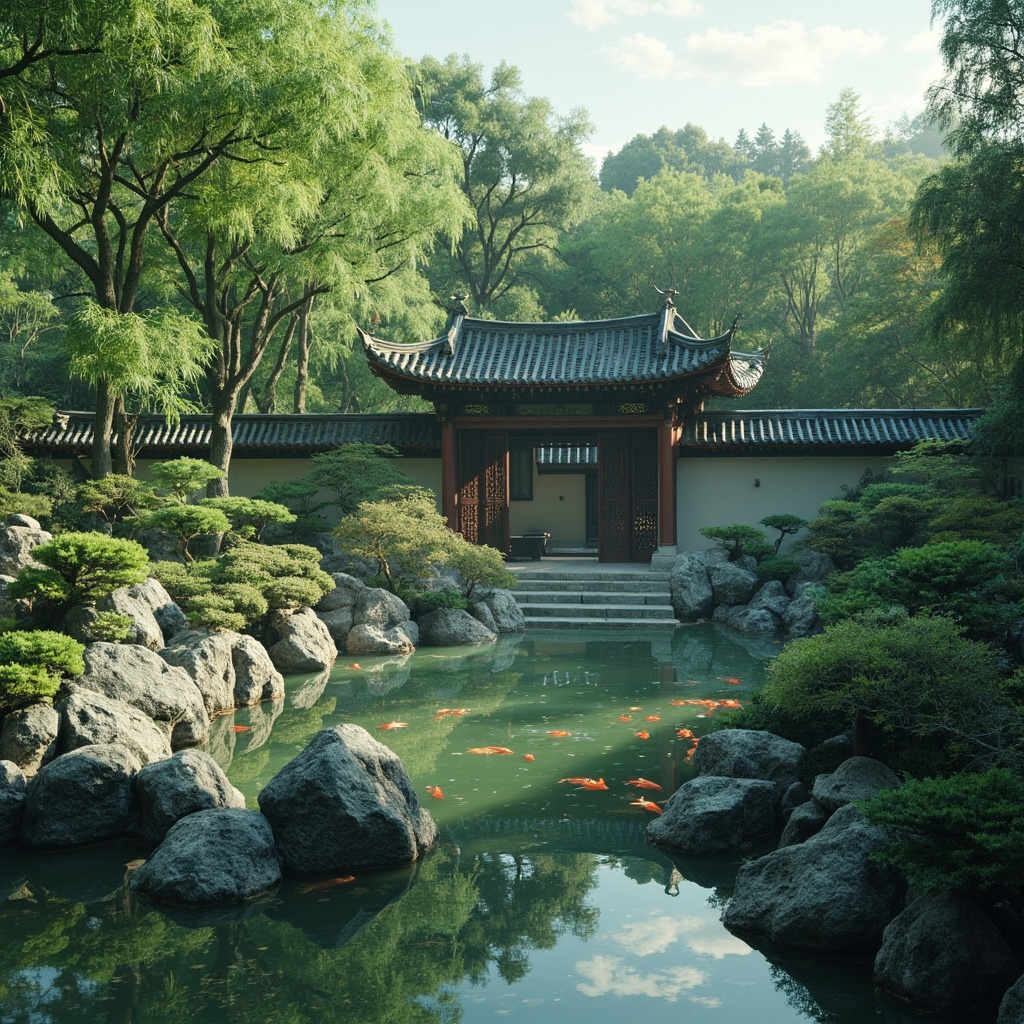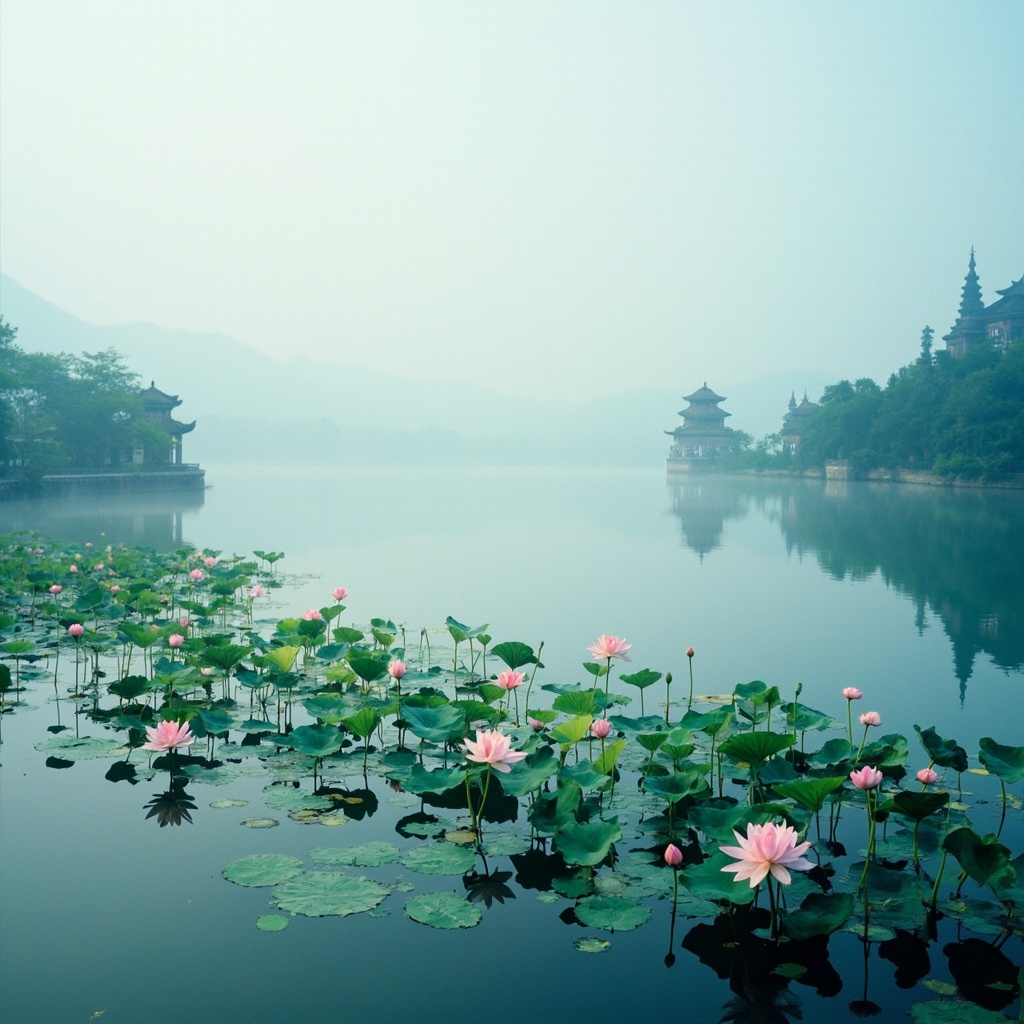


Guilin, a city nestled within the autonomous region of Guangxi in the southern reaches of the People's Republic of China, stands as a testament to the sublime beauty that nature can bestow upon the earth. For centuries, poets, painters, and travelers have proclaimed that Guilin's scenery is the finest under heaven, a statement that transcends mere hyperbole to become a recognized truth of the global travel community. The landscape here is not simply a collection of hills and waters; it is a living ink wash painting, where the boundaries between reality and artistic interpretation blur into a harmonious existence. To visit Guilin is to step into a realm where the karst peaks rise like ancient guardians from the mist, where the Li River flows with the tranquility of a silk ribbon, and where the air is perpetually scented with the sweet fragrance of osmanthus flowers. This destination offers more than visual splendor; it provides a spiritual rejuvenation, inviting the weary soul to find peace amidst the towering limestone formations and the gentle ripples of the waterways that have carved this land over millions of years.
The geological marvels of Guilin are rooted in the karst topography, a phenomenon formed over hundreds of millions of years through the dissolution of soluble rocks such as limestone. These karst peaks are not uniform; each possesses a unique character, shape, and legend that contributes to the rich tapestry of the region's identity. Unlike the rugged, jagged mountains of the west, the peaks of Guilin are smooth, verdant, and often isolated, rising abruptly from the flat plains or the water's edge. They appear like jade needles piercing the sky, covered in a lush blanket of vegetation that changes hue with the seasons. The interplay of light and shadow upon these formations creates a dynamic visual experience, where the mountains seem to breathe and shift as the sun moves across the horizon. This geological uniqueness is not merely scientific; it is deeply cultural, inspiring countless works of art and literature that define the Chinese aesthetic of landscape.
Among the most iconic of these formations is the Elephant Trunk Hill, located at the convergence of the Li River and the Taohua River. This natural arch resembles a giant elephant dipping its trunk into the water to drink, a symbol that has become synonymous with the city of Guilin itself. According to local legend, the elephant was once a celestial creature that fell in love with the beauty of the human world and chose to remain, eventually turning into stone to protect the people. Visitors who stand before this hill are struck by the sheer scale and the perfect symmetry of the water moon arch formed beneath the trunk. At night, when the moon reflects in the water through the arch, the scene creates the illusion of two moons, one in the sky and one in the river, offering a photographic opportunity that captures the mystical essence of the region. The surrounding park is meticulously maintained, allowing for quiet contemplation of this natural sculpture.
Further south lies the majestic Moon Hill, a peak distinguished by a large natural hole near its summit that resembles a full moon. This formation offers a more active engagement for the traveler, as it invites攀登 (climbing) to the top of the arch. The ascent involves navigating a steep stone staircase carved into the rock face, a journey that rewards the diligent traveler with a panoramic view of the surrounding countryside. From the vantage point of the moon hole, one can look out over a sea of karst peaks that stretch to the horizon, interrupted only by the winding paths of rivers and the patchwork of rice paddies below. The experience of standing within the hole, framed by the stone arch with the vast landscape beyond, provides a profound sense of connection to the earth. It is a place where physical exertion meets spiritual reward, embodying the Chinese philosophy of finding beauty through effort and perseverance.
The Seven Stars Park offers a different perspective on the karst landscape, combining surface beauty with subterranean wonder. This expansive park encompasses seven peaks arranged like the constellation of the Big Dipper, hence the name. Within these peaks lie extensive cave systems, such as the Seven Stars Cave, which are adorned with stalactites and stalagmites that have formed over millennia. Inside the caves, the lighting is designed to highlight the natural colors of the rock formations, creating an ethereal atmosphere that feels like walking through a dragon's palace. The formations within are named after mythical creatures and historical figures, inviting the imagination to wander alongside the physical journey. Outside the caves, the park is a haven of greenery, with bridges, ponds, and pavilions that blend seamlessly into the natural environment, offering a space for leisurely walks and cultural performances that celebrate the local heritage.
The Li River serves as the lifeblood of Guilin, winding its way through the karst landscape like a green silk ribbon. A cruise along the Li River is considered the quintessential Guilin experience, offering an uninterrupted view of the region's most famous scenery. The journey typically begins in Guilin and ends in Yangshuo, covering a distance of approximately eighty-three kilometers. During the cruise, passengers are treated to a moving panorama of peaks, water buffaloes grazing on the banks, and fishermen casting their nets from bamboo rafts. The water is often so calm that it acts as a perfect mirror, doubling the visual impact of the mountains. The silence of the river, broken only by the hum of the boat engine and the occasional call of a bird, creates a meditative atmosphere. It is a journey through time, where the modern world fades away, and the ancient rhythms of nature take precedence.

For those seeking a more intimate connection with the water, bamboo rafting offers a traditional alternative to the large cruise ships. These rafts, constructed from bound bamboo poles and powered by long poles or small motors, allow travelers to glide closer to the water's surface. The experience is particularly enchanting in the Yulong River section, a tributary of the Li River known for its pristine beauty and lack of motorized traffic. Here, the raftsmen often sing local folk songs, their voices echoing off the canyon walls. The gentle rocking of the bamboo raft and the sound of water lapping against the poles create a soothing rhythm. Travelers can dip their hands into the cool, clear water, feeling the current that has shaped the land for eons. This activity is not merely transportation; it is a ritual of immersion, allowing the visitor to become part of the landscape rather than just an observer.
No description of the Li River would be complete without mentioning the cormorant fishermen, a tradition that dates back over a thousand years. These fishermen, often elderly men wearing traditional conical hats, use trained cormorant birds to catch fish. The birds dive into the water to catch fish but are prevented from swallowing the larger catches by a snare around their necks. While this practice is now largely performed for cultural preservation and tourism rather than subsistence, it remains a powerful symbol of the harmony between humans and nature. Watching a fisherman stand on the edge of his bamboo raft at dusk, with a lantern lighting the water and his birds diving in unison, is a scene that feels pulled from an ancient scroll. It represents a way of life that respects the river's bounty and utilizes the skills of animals partners, showcasing a sustainable relationship with the environment that modern society would do well to emulate.
The cultural landscape of Guilin is as diverse as its geological one, inhabited by various ethnic minority groups who have preserved their unique traditions amidst the modernization of China. The Zhuang people, the largest ethnic minority in China, have a significant presence in the Guilin region. Their culture is rich in song, dance, and textile arts. The Zhuang are known for their antiphonal singing, where groups of men and women exchange improvised verses in a musical dialogue, often during festivals or courtship rituals. Their clothing features intricate embroidery and silver ornaments that reflect their status and heritage. Visiting a Zhuang village allows travelers to witness these traditions firsthand, from the construction of their stilted houses to the preparation of their ceremonial wines. The hospitality of the Zhuang people is legendary, often welcoming guests with a song and a cup of rice wine, fostering a sense of community and shared humanity.

The Yao minority, particularly the Red Yao subgroup found in the Longsheng area, is famous for the women's tradition of maintaining extremely long hair. In the village of Huangluo, women do not cut their hair throughout their lives, except for a symbolic cut during childhood. The hair is believed to bring longevity and good fortune, and the process of washing and combing it is a communal activity that strengthens social bonds. The women wrap their hair in intricate styles that indicate their marital status and age. Seeing the women of Huangluo let down their hair, which can reach several meters in length, is a breathtaking spectacle of cultural pride. The Yao people also possess deep knowledge of herbal medicine, utilizing the plants of the surrounding mountains to heal and maintain health, offering visitors a glimpse into alternative wellness practices rooted in ancient wisdom.
The Dong people are another integral part of the region's ethnic tapestry, renowned for their architectural prowess without the use of nails. Their drum towers and wind and rain bridges are masterpieces of wooden construction, featuring complex interlocking structures that have stood for centuries. The drum tower serves as the community center, where villagers gather to discuss matters, celebrate festivals, and sing the Great Song of the Dong, a polyphonic choir tradition recognized by UNESCO. The sound of the Dong choir, performed without instruments or conductors, creates a harmonious resonance that fills the valley. Visiting a Dong village during a festival allows travelers to experience the communal spirit that defines their society. The architecture, the music, and the social structure all point to a culture that values collective harmony and artistic expression as central pillars of life.
Festivals in Guilin provide a vibrant window into the spiritual and social lives of these ethnic groups. The Sanyuesan Festival, celebrated on the third day of the third lunar month, is one of the most significant events for the Zhuang people. It is a time for singing, dancing, and courtship, often referred to as a Valentine's Day for the ethnic minorities. Young people gather in designated fields to sing antiphonal songs, seeking potential partners through the beauty of their voice and the wit of their lyrics. The festival also includes activities such as pole climbing, egg painting, and the preparation of colorful glutinous rice. The atmosphere is joyous and colorful, with the hillsides dotted with people in traditional attire. For the traveler, participating in or observing Sanyuesan offers an authentic experience of local customs that have survived through generations, highlighting the importance of oral tradition and community bonding.
Another significant celebration is the Panwang Festival, primarily observed by the Yao people to honor their ancestor, Pan Wang. This festival is a solemn yet festive occasion involving rituals, sacrifices, and performances that recount the creation myths and history of the Yao people. Drumming and dancing are central to the ceremonies, with participants wearing elaborate masks and costumes that represent various deities and spirits. The Long Hair Festival, specifically in Huangluo Yao Village, is a unique subset of cultural celebration where women showcase their hair length and grooming skills. These festivals are not merely performances for tourists; they are vital expressions of identity and continuity. They remind visitors that the landscape of Guilin is inhabited by living cultures with deep roots, adding a layer of human history to the natural beauty of the karst peaks.
The culinary landscape of Guilin is as flavorful and diverse as its scenery, offering a sensory journey that complements the visual one. The most famous dish is undoubtedly Guilin Rice Noodles, a breakfast staple that has become a cultural icon. The noodles are made from local rice, giving them a smooth and elastic texture. They are served with a rich broth, though the true essence lies in the array of toppings and condiments. Pickled beans, sour bamboo shoots, fried peanuts, scallions, and cilantro are standard, but the highlight is the braised pork or beef that accompanies the dish. The flavor profile is a complex balance of sour, spicy, salty, and fresh. Locals often mix the noodles dry before adding the soup, ensuring every strand is coated in the savory sauces. Eating a bowl of Guilin Rice Noodles at a street-side stall is a ritual that connects the traveler to the daily life of the city.
Yangshuo Beer Fish is another culinary masterpiece that originates from the Li River region. This dish is prepared using fresh fish caught from the Li River, typically carp, which is then fried and stewed in a sauce made from local beer, tomatoes, ginger, garlic, and chili peppers. The use of beer in the cooking process tenderizes the fish and imparts a unique aroma that distinguishes it from other fish dishes. The sauce is thick and flavorful, perfect for pairing with steamed rice. The dish reflects the resourcefulness of the local people, utilizing available ingredients to create something extraordinary. Dining on Beer Fish while overlooking the karst peaks creates a synergy between the food and the environment, where the taste of the river is literally brought to the table. It is a meal that satisfies both the hunger of the body and the curiosity of the palate.
Beyond the main dishes, Guilin offers a variety of specialty products centered around the osmanthus flower, the city flower of Guilin. The Osmanthus Cake is a delicate pastry filled with sweet osmanthus jam, offering a floral sweetness that is not overpowering. Osmanthus tea is another popular item, brewed from dried flowers that release a fragrant aroma when steeped in hot water. This tea is believed to have health benefits, including aiding digestion and refreshing the mind. The scent of osmanthus permeates the city during the autumn months, creating an olfactory landscape that is as memorable as the visual one. Additionally, the Lipu Taro is a renowned agricultural product of the region, known for its soft texture and sweet flavor. It is used in both savory dishes and desserts, showcasing the versatility of the local produce. These food items serve as edible souvenirs, allowing travelers to take a piece of Guilin's flavor home with them.
The experience of Guilin changes dramatically with the seasons, each offering a distinct mood and aesthetic appeal. Spring in Guilin is characterized by the plum rains, where mist and drizzle wrap the karst peaks in a veil of white. This weather creates the classic ink wash painting effect, where the mountains appear and disappear in the fog. The vegetation begins to turn a vibrant green, and the flowers bloom along the riverbanks. While the rain may hinder some outdoor activities, it enhances the mystical quality of the landscape, making it the preferred season for photographers and poets seeking atmospheric shots. The air is cool and fresh, filled with the scent of wet earth and blooming flowers. Spring represents renewal and the awakening of the land, inviting visitors to witness the birth of the season's beauty.
Summer brings a lush vitality to Guilin, with the peaks covered in deep green foliage and the rivers swelling with water. The weather is warm, making it an ideal time for water activities such as swimming and bamboo rafting. The evenings are lively, with locals gathering by the river to cool off and socialize. The rice terraces in Longsheng are particularly stunning in summer, as the flooded fields reflect the sky like mirrors before the rice grows tall. However, summer is also the peak tourist season, so popular sites may be crowded. The intensity of the sun highlights the textures of the rock formations, and the thunderstorms that occasionally roll through add a dramatic element to the scenery. Summer in Guilin is a celebration of life and energy, where nature is at its most abundant and vigorous.
Autumn is often considered the most comfortable season for visiting Guilin, with clear skies and moderate temperatures. The air is crisp, and the visibility is excellent, allowing for panoramic views of the distant peaks. The osmanthus flowers bloom during this time, filling the city with their sweet fragrance. The rice harvest begins, turning the terraces into fields of gold. This is the season of收获 (harvest), where the landscape is painted in warm hues of yellow and orange. The Li River water is calm and clear, perfect for cruising. Autumn offers a sense of tranquility and abundance, making it an ideal time for hiking and exploring the countryside without the extreme heat of summer or the dampness of spring. It is a season of maturity, where the beauty of the land is fully realized.
Winter in Guilin is mild compared to northern China, but it brings a quiet solitude to the landscape. The peaks may be dusted with snow on rare occasions, creating a rare and magical sight known as "Green Mountains with White Heads." The rivers flow slowly, and the mist often lingers throughout the day. While some water activities may be limited, the lack of crowds allows for a more introspective experience. The local festivals during the Lunar New Year bring a burst of color and activity to the otherwise quiet towns. Winter is the time for reflection, where the stark beauty of the bare branches against the limestone rocks creates a minimalist aesthetic. It is a season for those who seek peace and wish to see Guilin in its most serene state, away from the bustle of the tourist high seasons.
For travelers planning a journey to Guilin, understanding the logistics is essential for a smooth experience. The city is well-connected by air, with the Guilin Liangjiang International Airport offering flights from major cities across China and select international destinations. High-speed rail is also a convenient option, with the Guilin West and Guilin North stations connecting the region to the national railway network. Within the city, public transportation is reliable, but hiring a private driver or joining a guided tour is often recommended for visiting remote ethnic villages and the Longji Rice Terraces. Accommodation ranges from luxury international hotels to boutique guesthouses in Yangshuo and traditional homestays in minority villages. Booking in advance is advisable during peak seasons and public holidays to ensure availability and best rates.
Cultural etiquette is an important aspect of traveling in Guilin, especially when visiting ethnic minority villages. Visitors should always ask for permission before taking photographs of local people, particularly during private ceremonies or daily activities. Respect for local customs is paramount; for example, some areas within villages may be restricted to outsiders, and these boundaries should be honored. When participating in festivals, following the lead of local hosts ensures a respectful interaction. Tipping is not mandatory in China but is appreciated for exceptional service. Learning a few basic phrases in Mandarin or the local dialect can go a long way in building rapport with the residents. The people of Guilin are generally warm and welcoming, and showing genuine interest in their culture will be met with hospitality.
Sustainability and environmental protection are increasingly important in Guilin due to the fragility of the karst ecosystem. Travelers are encouraged to minimize their waste, avoid using single-use plastics, and stay on designated paths to prevent soil erosion. The Li River is a protected waterway, and fishing or swimming in restricted areas is prohibited to maintain water quality. Supporting local businesses and purchasing authentic handicrafts helps sustain the local economy and preserves traditional skills. Eco-tourism initiatives are growing, offering opportunities to engage in conservation efforts while traveling. By traveling responsibly, visitors ensure that the beauty of Guilin remains intact for future generations. The preservation of this landscape is a shared responsibility between the government, the locals, and the tourists who come to admire it.
Health and safety considerations are generally manageable in Guilin, as it is a safe destination for travelers. Standard precautions regarding food and water should be taken, such as drinking bottled water and eating at reputable establishments. The terrain can be uneven, especially when hiking the karst peaks or walking through villages, so appropriate footwear is recommended. During summer, protection against mosquitoes and sun exposure is necessary. Medical facilities are available in the city centers, but having travel insurance is advisable for any unforeseen circumstances. The pace of life in Guilin is slower than in major metropolises, allowing visitors to relax and recover from jet lag. The clean air and natural environment contribute to a sense of well-being, making it a healthy destination for both physical and mental restoration.
Shopping in Guilin offers a variety of souvenirs that reflect the region's culture and natural resources. Besides the edible osmanthus products and rice noodles, travelers can find intricate silver jewelry crafted by the Miao and Dong artisans. Embroidered textiles and batik fabrics are also popular, showcasing the skilled needlework of the ethnic minorities. Paintings and calligraphy featuring the Guilin landscape are widely available, ranging from mass-produced prints to original works by local artists. When purchasing antiques or jade, it is important to buy from reputable stores to ensure authenticity. Bargaining is common in markets, but it should be done politely and with a smile. Shopping in Guilin is not just about acquiring goods; it is about supporting the artisans and taking home a tangible memory of the artistic heritage of the region.
In conclusion, Guilin is a destination that engages all the senses and touches the soul. It is a place where the natural world and human culture exist in a delicate and beautiful balance. The karst peaks stand as eternal monuments to the power of nature, while the Li River flows as the vein of life through the region. The ethnic minorities add a vibrant human element, preserving traditions that enrich the cultural landscape. The food offers a taste of the land's bounty, and the seasons provide a ever-changing backdrop of beauty. To travel to Guilin is to embark on a journey of discovery, where every turn reveals a new perspective and every moment offers a chance for reflection. It is a place that reminds us of the beauty that exists in the world and the importance of preserving it.
The invitation to visit Guilin is an invitation to step out of the ordinary and into the extraordinary. Whether you are seeking adventure, relaxation, cultural immersion, or spiritual renewal, Guilin has something to offer. The memories created here, of misty mornings on the river, of hearty meals shared with new friends, and of vistas that take the breath away, will last a lifetime. As the sun sets over the karst peaks and the lights of the villages begin to twinkle, one understands why this land has been celebrated for centuries. Guilin is not just a place on a map; it is a state of mind, a dream realized, and a testament to the enduring beauty of the earth. We welcome you to come and experience the magic of Guilin, where the scenery is indeed the best under heaven.