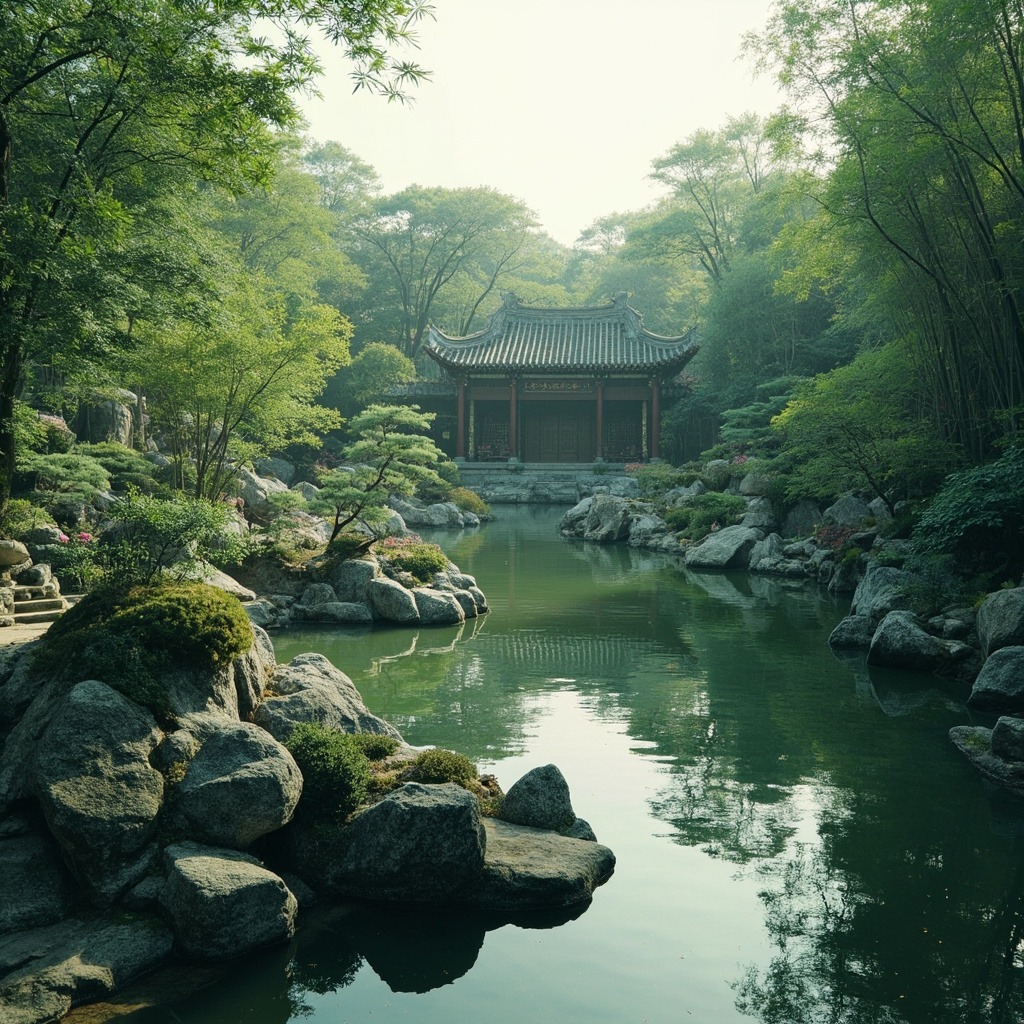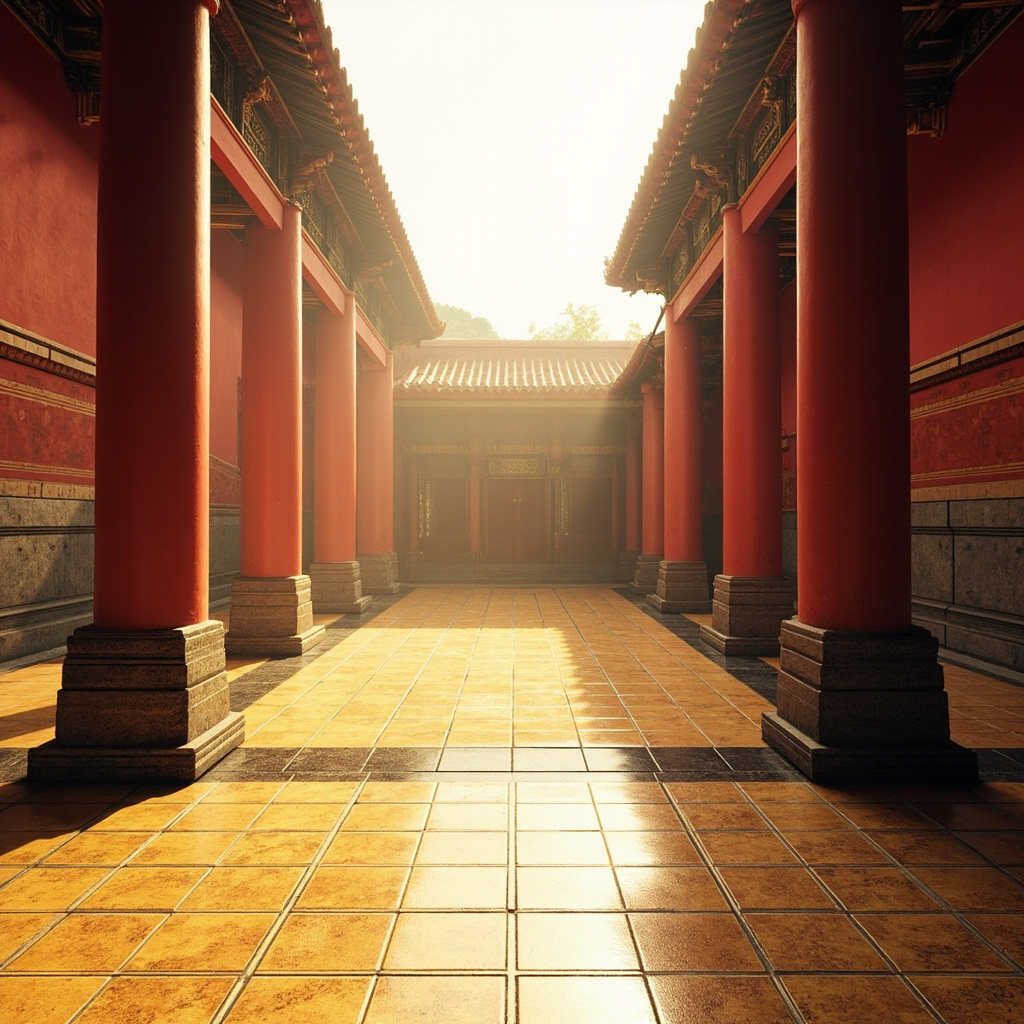

Welcome to Xi'an, a city where the echoes of ancient dynasties resonate through the bustling streets of the modern era. Known historically as Chang'an, meaning Perpetual Happiness, this magnificent metropolis stands as one of the oldest cities in China and serves as a living museum of human civilization. For over three millennia, Xi'an has been the political, economic, and cultural center of the region, serving as the capital for thirteen major dynasties including the Zhou, Qin, Han, and Tang. When you walk upon this land, you are not merely visiting a tourist destination; you are stepping onto a stage where history was written, where emperors ruled, and where the great Silk Road began its westward journey. The air here is thick with stories, and every brick and tile holds a memory of a glorious past that continues to inspire the present.
 Walking through the main exhibition hall, you are greeted by the sight of rows upon rows of soldiers standing in strict military formation. They are arranged in battle arrays, complete with chariots, cavalry, and infantry, ready to defend their emperor for eternity. The attention to detail is extraordinary; you can see the folds in their armor, the laces on their boots, and the intensity in their eyes. Although many of the weapons they once held have deteriorated or were stolen over the centuries, the presence of the army remains overpowering. The earthy tones of the clay contrast with the modern lighting of the museum, highlighting the textures of the ancient soil that preserved them for millennia. It is a solemn and awe-inspiring experience that connects you directly to the ambition and power of Qin Shi Huang.
Beyond the main pits, the museum complex offers further insights into the burial practices and daily life of the Qin era. The Bronze Chariots and Horses exhibit showcases two exquisite half-sized chariots made of bronze, adorned with gold and silver fittings. These masterpieces demonstrate the high level of metallurgy and artistic skill achieved during the period. The chariots were designed to serve as the emperor's carriage in the afterlife, complete with umbrellas for shade and reins for the horses. The intricate details of the harnesses and the dynamic poses of the horses capture a moment of movement frozen in metal. Viewing these artifacts allows visitors to appreciate the immense resources and labor dedicated to the emperor's tomb, reflecting the belief system that prioritized the afterlife as a continuation of earthly power.
The story of the Terracotta Warriors is also a story of preservation and ongoing discovery. Archaeologists continue to work on the site, carefully excavating new sections and employing modern technology to protect the colors that originally painted the figures. When first unearthed, the warriors were brightly colored, but exposure to air caused the pigments to flake off rapidly. Today, scientists use special chemicals and humidity controls to preserve the remaining traces of paint on newly discovered figures. This ongoing work reminds us that history is not static; it is a living field of study that evolves with our technology and understanding. Visiting the museum supports these conservation efforts and ensures that future generations can marvel at this incredible testament to human history. It is a privilege to witness such a site, and visitors are encouraged to treat the location with the respect it deserves.