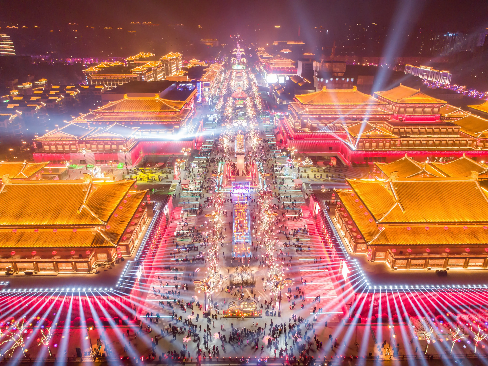

Lijiang, nestled in the northwest corner of Yunnan Province in southwestern China, stands as one of the most captivating destinations in the entire Asian continent. This ancient city is not merely a collection of buildings and streets but a living testament to the harmonious coexistence of humanity and nature, culture and commerce. Situated at an altitude of approximately 2400 meters above sea level, Lijiang serves as a gateway to the Himalayas and the Tibetan Plateau, offering visitors a unique blend of subtropical warmth and alpine chill. The region is renowned for its breathtaking landscapes, which range from lush valleys to snow-capped peaks, and its rich ethnic heritage, primarily dominated by the Naxi people. For centuries, Lijiang has been a melting pot where Han Chinese, Tibetan, and Bai cultures intersect, creating a vibrant tapestry of traditions, languages, and customs that continue to thrive today. Travelers who arrive in Lijiang are often struck by the slow pace of life, the clarity of the air, and the profound sense of history that permeates every cobblestone street and wooden bridge.

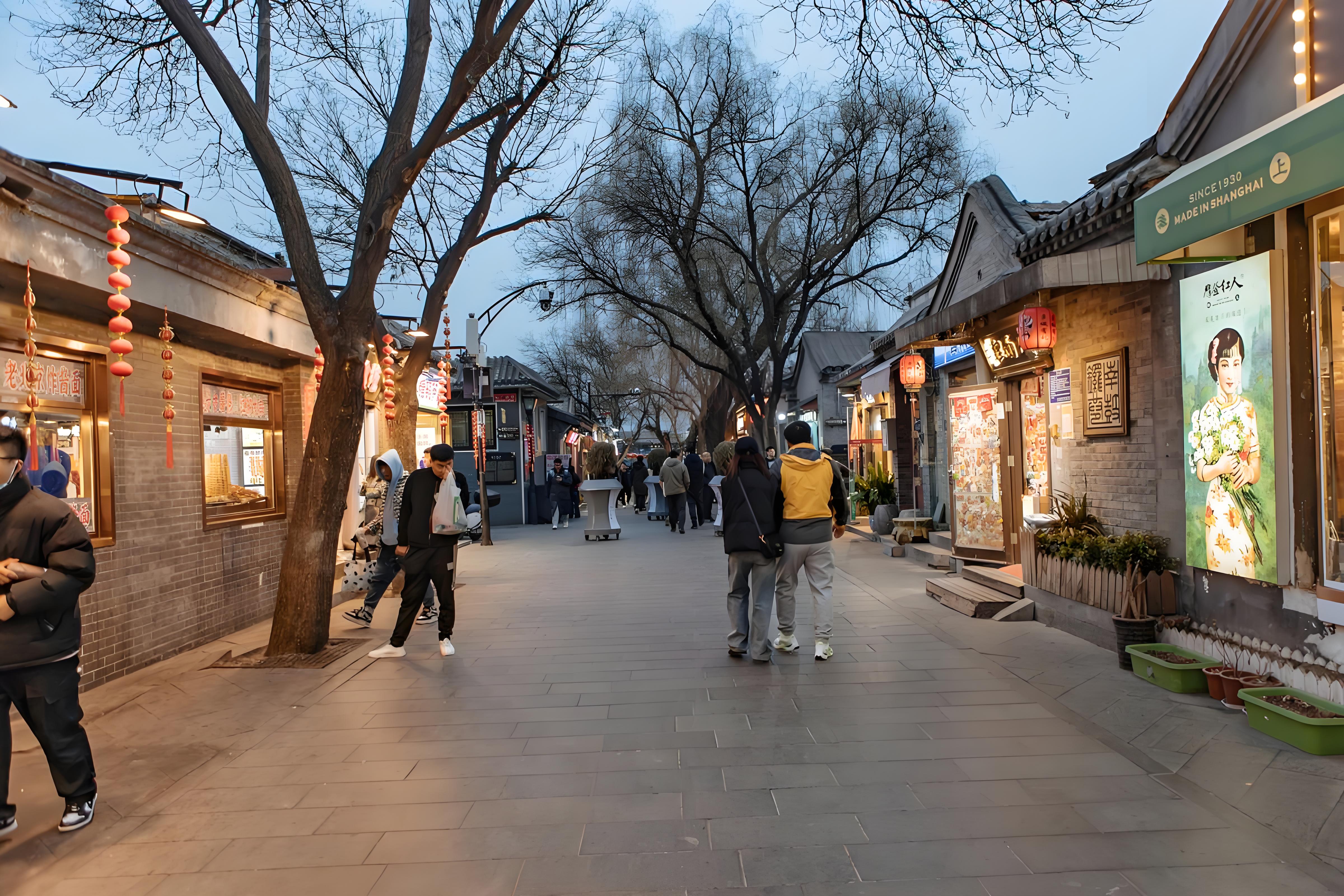
The heart of this enchanting destination is the Lijiang Old Town, officially known as Dayan Ancient Town, which has been designated as a UNESCO World Heritage Site since 1997. Unlike many other ancient Chinese cities, Lijiang Old Town is famous for not having a city wall, a unique feature that is often attributed to the ruling Mu chieftain family whose surname shares the same character as the word for enclosure, leading to a superstition that building a wall would trap their fortune. The town is a labyrinth of narrow lanes paved with red granite stones that have been polished smooth by centuries of foot traffic and horse hooves. These streets wind effortlessly between traditional wooden structures that showcase the architectural style of the Ming and Qing dynasties. The buildings are typically constructed with timber frames, grey tile roofs, and intricate carvings that depict flowers, birds, and auspicious symbols. Walking through the Old Town feels like stepping back in time, yet the area is vibrantly alive with shops, teahouses, and boutiques that cater to modern tourists while maintaining a historical aesthetic.
One of the most ingenious aspects of the Lijiang Old Town is its sophisticated water system, which originates from the Black Dragon Pool at the foot of the Jade Dragon Snow Mountain. Three main rivers flow into the town and then branch out into countless canals that run alongside almost every street and house. This network serves both practical and aesthetic purposes, providing water for daily use, fire prevention, and temperature regulation during the hot summer months. Residents traditionally use the upstream water for drinking, the midstream for washing vegetables, and the downstream for cleaning clothes, a system that reflects a deep communal respect for resources. The sound of flowing water is a constant companion in the Old Town, creating a soothing auditory backdrop that complements the visual beauty of the weeping willows and colorful flowers that line the banks. At night, the reflections of red lanterns on the water surface create a magical atmosphere that draws photographers and romantics from around the world.
While the Dayan Ancient Town is the most famous, the greater Lijiang area includes other significant settlements such as Shuhe and Baisha, which offer a quieter and more authentic glimpse into local life. Shuhe Ancient Town was historically an important hub on the Tea Horse Road and retains a more relaxed vibe with fewer crowds than its larger counterpart. Here, visitors can see the original stone bridges and old courtyards that have been preserved with great care. Baisha Village, located even closer to the Jade Dragon Snow Mountain, is the oldest of the three and was once the political center of the Naxi people before the capital moved to Dayan. Baisha is renowned for its murals, which date back to the Ming Dynasty and depict a fusion of Buddhist, Taoist, and Tibetan religious iconography. These cultural sites surrounding the main town provide a deeper understanding of the region's evolution and allow travelers to escape the commercialization that sometimes affects the main tourist hubs.

Dominating the northern horizon of Lijiang is the majestic Jade Dragon Snow Mountain, a mountain range that consists of thirteen peaks, none of which have ever been conquered by humans due to their steepness and unpredictable weather. The highest peak, Shanzidou, rises to an elevation of 5596 meters, making it a sacred symbol for the local Naxi people who believe it is the embodiment of a protective god. The mountain is covered in glaciers and snow throughout the year, creating a striking contrast against the blue Yunnan sky. For tourists, the mountain offers various ways to experience its grandeur, including cable cars that take visitors to different elevations. The Glacier Park cable car ascends to over 4500 meters, allowing brave travelers to walk on boardwalks near the snow line, though visitors are warned about the risks of altitude sickness at such heights. The air becomes thin, and the temperature drops significantly, requiring warm clothing even in the summer months.
Beneath the towering peaks of the Jade Dragon Snow Mountain lies the enchanting Blue Moon Valley, a series of turquoise lakes fed by the melting glaciers above. The water in these lakes is incredibly clear and takes on a vivid blue color due to the mineral content and the reflection of the sky, creating a surreal landscape that looks almost painted. The valley is surrounded by lush vegetation and waterfalls that cascade down from the higher elevations, adding to the serene atmosphere. It is a popular spot for photography and leisurely walks, offering a gentler alternative to the strenuous hike up the glacier park. The combination of the white snow peaks, the blue water, and the green forests creates a triad of colors that defines the natural beauty of the Lijiang region. Many visitors consider the view from Blue Moon Valley to be the highlight of their trip, as it encapsulates the pristine nature of Yunnan's highlands.
The spiritual significance of the Jade Dragon Snow Mountain cannot be overstated, as it plays a central role in the religious practices of the Naxi people. According to local legend, the mountain is the home of Sanduo, the national god of the Naxi, who is believed to protect the people from harm and ensure bountiful harvests. Every year, during the Sanduo Festival, locals gather to offer sacrifices and pray for peace and prosperity. This deep connection between the land and the people is evident in the way the mountain is treated with reverence. Climbing the mountain is not just a physical challenge but a spiritual journey for many. The presence of prayer flags and shrines along the paths serves as a reminder of the sacredness of the environment. This respect for nature is a core tenet of the local culture and offers a valuable lesson for visitors on the importance of environmental conservation.

At the core of Lijiang's identity is the Naxi culture, an ethnic group that has inhabited the region for over a thousand years. The Naxi people are known for their unique traditions, which have survived despite the pressures of modernization and globalization. One of the most fascinating aspects of Naxi heritage is the Dongba script, which is recognized by linguists as the only living pictographic writing system in the world. Created by religious priests known as Dongba, these symbols are used to record rituals, history, and myths. Each character is a hand-drawn image that represents an object or concept, making the script look more like art than writing. Efforts are currently underway to preserve this endangered language, as fewer and fewer people are fluent in reading and writing it. Visitors can see examples of Dongba script on souvenirs, walls, and in museums throughout Lijiang, serving as a visual representation of the city's unique intellectual history.
Another crown jewel of Naxi culture is the Naxi Ancient Music, often referred to as a living fossil of Chinese music history. This musical tradition dates back to the Ming Dynasty and combines elements of Taoist ritual music with local folk melodies. The instruments used include traditional Chinese flutes, zithers, and percussion instruments, played in a style that has remained largely unchanged for centuries. The music is characterized by its slow, meditative tempo and is often performed in conjunction with religious ceremonies. In the Old Town, there are several venues where elderly musicians gather to perform these ancient pieces for visitors. Listening to this music in the setting of an old courtyard provides a profound emotional experience, connecting the listener to the ancestors who played the same notes hundreds of years ago. It is a poignant reminder of the continuity of culture in Lijiang.
The social structure of the Naxi people also offers interesting insights, particularly regarding the role of women. While the Naxi society is generally patriarchal, there is a strong matriarchal influence, especially when compared to neighboring groups. Naxi women are known for their hard work and are often responsible for managing the household finances and agricultural labor. Their traditional clothing is distinctive, featuring a sheepskin cape adorned with seven circular discs that represent the stars, symbolizing the concept of carrying the moon and stars on their shoulders. This attire is not only beautiful but also practical for the variable climate of the region. The craftsmanship involved in making these costumes is passed down through generations, preserving a tangible link to the past. Seeing women in traditional dress walking through the markets or working in the fields adds a vibrant human element to the scenic beauty of Lijiang.
Religion in Naxi culture is a syncretic blend of Dongbaism, Tibetan Buddhism, and Taoism. Dongbaism is the indigenous religion of the Naxi, which is animistic and shamanistic in nature, focusing on the worship of nature spirits and ancestors. The Dongba priests act as intermediaries between the human world and the spiritual realm, conducting rituals for births, weddings, funerals, and harvests. This religious flexibility allows the Naxi people to incorporate elements from other belief systems without losing their core identity. Temples in Lijiang often house statues of Buddhist deities alongside Taoist immortals, reflecting this harmonious integration. For tourists, visiting these temples offers a chance to observe rituals and learn about the spiritual beliefs that guide daily life in the region. The incense smoke and the sound of chanting create an atmosphere of peace and introspection that is hard to find elsewhere.
For those seeking adventure and dramatic natural scenery, the Tiger Leaping Gorge is a must-visit destination located about 60 kilometers north of Lijiang. It is one of the deepest gorges in the world, carved by the Jinsha River, which is the upper stretch of the Yangtze River. The gorge is named after a legend that says a tiger once leaped across the narrowest point of the river to escape a hunter, using a rock in the middle of the stream as a stepping stone. This rock, known as the Tiger Leaping Rock, still exists and is a popular spot for photos. The sheer scale of the gorge is overwhelming, with vertical cliffs rising over 3000 meters on either side of the river. The roar of the water as it rushes through the narrow channel can be heard from far away, demonstrating the raw power of nature.
The Tiger Leaping Gorge offers a world-famous hiking trail that attracts trekkers from all over the globe. The trail is generally divided into upper, middle, and lower sections, catering to different levels of fitness and time availability. The high trail is the most popular route, offering spectacular views of the canyon and the snow-capped mountains in the distance. The hike usually takes two to three days to complete, with guesthouses located along the path where hikers can rest and eat. The experience is rugged and rewarding, taking visitors through remote villages, forests, and rocky paths that cling to the side of the cliffs. Unlike the paved walkways in the Old Town, the gorge trail is unpaved and challenging, requiring sturdy boots and a good sense of balance. It is an excellent way to disconnect from technology and immerse oneself in the wilderness.
Safety is a paramount concern when visiting the Tiger Leaping Gorge, especially during the rainy season when landslides can occur. The best time to hike is during the spring and autumn months when the weather is stable and the views are clear. During the summer monsoon season, the river swells, and the trails can become slippery and dangerous. Local guides are available and highly recommended for those who are unfamiliar with the terrain. These guides not only ensure safety but also provide valuable information about the local ecology and history. The sense of accomplishment upon completing the hike is immense, and the memories of the towering cliffs and the rushing river stay with visitors long after they have returned to the city. It stands as a testament to the adventurous spirit that Lijiang encourages.
The historical significance of Lijiang is deeply intertwined with the Ancient Tea Horse Road, a network of trade routes that connected Yunnan with Tibet and beyond. For centuries, caravans of horses and mules carried bricks of Pu'er tea from southern Yunnan to Tibet, where tea was a vital commodity for the high-altitude population. In return, horses, herbs, and salt were brought back to Lijiang. This trade route was not just an economic artery but also a cultural bridge that facilitated the exchange of ideas, religions, and technologies between different ethnic groups. Lijiang served as a crucial hub and resting point for these caravans, which is why the city developed such a cosmopolitan character despite its remote location. The cobblestone streets of the Old Town still bear the deep grooves worn by the hooves of countless horses over hundreds of years.
The legacy of the Tea Horse Road is visible in the architecture and layout of Lijiang. Many of the old courtyards were originally built as inns or warehouses for merchants. These structures were designed to accommodate both goods and travelers, featuring large open spaces and sturdy construction. Today, some of these buildings have been converted into museums that display artifacts from the trade era, such as old saddles, tea bricks, and trading contracts. Walking through these museums provides a tangible connection to the merchants who risked their lives on the dangerous mountain paths. The spirit of commerce and exploration that defined the Tea Horse Road continues to influence Lijiang, which remains a center for trade and tourism in the region. It is a reminder that Lijiang was never isolated but always connected to the wider world.
The decline of the Tea Horse Road came with the construction of modern highways and railways in the mid-20th century, which made horse caravans obsolete. However, the cultural impact of the route remains profound. It fostered a sense of openness and tolerance among the people of Lijiang, who were accustomed to interacting with travelers from diverse backgrounds. This historical context helps explain why Lijiang feels so welcoming to visitors today. The town has always been a place of passage and meeting. In recent years, there has been a revival of interest in the Tea Horse Road, with some enthusiasts attempting to retrace the route on horseback. This resurgence highlights the enduring appeal of the history and the desire to preserve the memory of this ancient network.
No visit to Lijiang is complete without indulging in the local cuisine, which is a delicious reflection of the region's geography and ethnic diversity. The food in Lijiang is hearty and flavorful, designed to provide energy in the high-altitude climate. One of the most famous dishes is the Lijiang Baba, a type of flatbread that can be either sweet or salty. The sweet version is often filled with sugar and sesame, while the salty version contains meat and scallions. It is crispy on the outside and soft on the inside, making it a perfect snack for walking around the Old Town. Another staple is the Yak Meat Hot Pot, which features tender slices of yak meat cooked in a rich broth with local vegetables and herbs. Yak meat is lean and nutritious, well-suited to the cold weather of the mountainous region.
Mushrooms play a significant role in the local diet, as the forests surrounding Lijiang are abundant with wild varieties. During the rainy season, markets are filled with fresh mushrooms that are used in soups, stir-fries, and hot pots. The flavor of these wild mushrooms is intense and earthy, offering a taste of the forest that cannot be replicated with cultivated varieties. Visitors should ensure that mushrooms are cooked thoroughly at reputable restaurants to avoid any risks associated with wild foraging. Another unique ingredient is the snow mountain herb, which grows at high elevations and is believed to have medicinal properties. These herbs are often used in teas or soups to help visitors acclimatize to the altitude and boost their immune systems.
Rice noodles are another cornerstone of the culinary landscape in Yunnan, and Lijiang has its own variations. The Crossing the Bridge Noodles, although originating from nearby Mengzi, are widely available and popular in Lijiang. This dish involves a bowl of boiling broth served with separate plates of raw ingredients, including thin slices of meat, vegetables, and noodles, which the diner cooks themselves in the soup. It is an interactive and enjoyable dining experience. Additionally, there are local specialties like the Naxi Grilled Fish, which is marinated in spicy sauces and cooked over an open flame. The street food scene in the Old Town is vibrant, with vendors selling skewers, fried insects, and sweet treats. Exploring the food stalls is a great way to sample a variety of flavors without committing to a full meal.
Tea culture is also prevalent in Lijiang, given its history as a trade hub for Pu'er tea. There are numerous teahouses scattered throughout the Old Town where visitors can sit and sample different types of tea. The act of drinking tea is seen as a social activity and a way to relax. Many teahouses offer traditional music performances alongside the tea service, enhancing the cultural experience. The water used for brewing often comes from the local springs, which is soft and sweet, improving the taste of the tea. Visitors can purchase high-quality Pu'er cakes to take home as souvenirs, knowing that they are buying from the source region. The tea culture complements the slow pace of life in Lijiang, encouraging visitors to sit, reflect, and enjoy the moment.
Planning a trip to Lijiang requires some consideration of logistics and health. The high altitude is the most significant factor to keep in mind, as Lijiang sits at 2400 meters and excursions go much higher. Visitors flying directly from sea level may experience symptoms of altitude sickness, such as headaches, dizziness, or shortness of breath. It is advisable to spend the first day resting and avoiding strenuous activity to allow the body to acclimatize. Drinking plenty of water and avoiding alcohol can help mitigate these symptoms. There are oxygen cans available for purchase in the city if needed. Most hotels are equipped to handle altitude issues, but it is always better to be prepared. Listening to your body is crucial when exploring the high mountains.
The best time to visit Lijiang is during the spring and autumn seasons, specifically from March to May and September to November. During these months, the weather is mild, the skies are clear, and the flowers are in bloom. Summer is the rainy season, which can make hiking in the Tiger Leaping Gorge difficult, although the landscapes are lush and green. Winter can be very cold, especially at the Jade Dragon Snow Mountain, but it offers the chance to see snow and fewer crowds. Each season has its own charm, and the choice depends on what kind of experience the traveler is seeking. Regardless of when you visit, packing layers is essential due to the significant temperature fluctuations between day and night.
Transportation to Lijiang has improved significantly in recent years. The city has an airport that connects to major Chinese cities like Kunming, Beijing, and Shanghai. There is also a high-speed train station that makes travel from Kunming quick and comfortable. Once in Lijiang, the Old Town is best explored on foot, as vehicles are restricted in many areas to preserve the cobblestone streets. Taxis and ride-sharing apps are available for trips to surrounding attractions like the Snow Mountain or the Gorge. For the more adventurous, renting a bicycle is a popular way to explore the countryside and nearby villages. The infrastructure is tourist-friendly, with signs in both Chinese and English, making navigation relatively easy for international travelers.
Respecting local customs is an important part of visiting Lijiang. The Naxi people are generally warm and welcoming, but it is polite to ask for permission before taking photographs of individuals, especially elders or those in traditional dress. When visiting temples, visitors should dress modestly and follow any posted rules regarding behavior and photography. It is also customary to treat the natural environment with care, avoiding littering and staying on marked trails. The local community relies heavily on tourism, so supporting local businesses and artisans is a great way to contribute to the local economy. Buying handmade crafts directly from the creators ensures that the money goes to the people who keep the traditions alive.
Sustainability is becoming an increasingly important topic in Lijiang as the number of visitors grows. There are ongoing efforts to manage waste and protect the water systems that are vital to the Old Town. Tourists are encouraged to minimize their plastic use and respect the carrying capacity of sensitive areas like the Blue Moon Valley. The local government has implemented regulations to preserve the architectural integrity of the Old Town, preventing excessive modernization. By traveling responsibly, visitors can help ensure that Lijiang remains a beautiful and authentic destination for future generations. The balance between tourism development and cultural preservation is delicate, and every traveler plays a role in maintaining it.
In conclusion, Lijiang is a destination that offers something for every type of traveler. Whether you are interested in history, nature, culture, or food, you will find rich experiences waiting for you. The combination of the ancient Old Town, the majestic Snow Mountain, the adventurous Gorge, and the vibrant Naxi culture creates a multifaceted travel experience that is hard to match. The memories of the flowing water, the sound of ancient music, and the taste of yak hot pot will linger long after the trip is over. Lijiang invites you to slow down, breathe the fresh mountain air, and immerse yourself in a world where the past and present coexist in harmony. It is a place that touches the soul and leaves a lasting impression on all who visit.
The enduring allure of Lijiang lies in its ability to transform the visitor. It is not just a place to see sights but a place to feel a connection to history and nature. The stories embedded in the stones of the Old Town and the peaks of the Snow Mountain are waiting to be discovered. As you walk through the streets, you become part of the continuing narrative of this remarkable city. The friendships made with locals, the challenges overcome on the hiking trails, and the moments of quiet reflection by the canals all contribute to a journey of personal discovery. Lijiang stands as a beacon of cultural resilience and natural beauty in a rapidly changing world.
For those planning their itinerary, it is recommended to allocate at least three to four days to fully appreciate the main attractions. One day can be spent exploring the Old Town and its museums, another day dedicated to the Jade Dragon Snow Mountain and Blue Moon Valley, and a third day for the Tiger Leaping Gorge. If time permits, a visit to the surrounding villages like Baisha and Shuhe adds depth to the experience. There are also day trips available to nearby attractions such as the First Bend of the Yangtze River. Flexibility in the schedule allows for spontaneous discoveries, such as stumbling upon a local festival or a hidden teahouse. The joy of Lijiang often lies in the unexpected moments.
Accommodation in Lijiang ranges from luxury hotels to traditional guesthouses known as inns. Staying in a traditional courtyard inn within the Old Town is highly recommended for the authentic atmosphere. These inns often feature wooden architecture, beautiful gardens, and friendly hosts who can provide local tips. Waking up in a quiet courtyard with the sound of birds and flowing water is a serene start to the day. However, visitors should be aware that the cobblestone streets can be noisy if the room faces the main bar streets, so choosing a location in a quieter lane is advisable for a good night's sleep. The hospitality of the innkeepers is often a highlight of the stay.
Shopping in Lijiang offers a wide array of souvenirs, from silver jewelry and textiles to Dongba script artwork. It is important to bargain politely in the markets, as prices are often not fixed. However, in established shops, prices may be standard. Buying directly from artisans ensures authenticity and supports the local craft economy. Silverware is a specialty of the region, and many shops offer custom engraving services. Textiles featuring Naxi patterns make for unique gifts. When purchasing food items like tea or mushrooms, check the quality and packaging to ensure they are suitable for transport. Shopping is not just about buying things but about engaging with the local culture and taking a piece of Lijiang home with you.
As you depart from Lijiang, you will likely find yourself looking back at the Jade Dragon Snow Mountain one last time. The sight of the snow-capped peaks against the sky serves as a final reminder of the grandeur of the region. The trip may end, but the influence of Lijiang often remains. It changes the way you see the relationship between humans and nature, and the value of preserving cultural heritage. The lessons learned in this ancient town about harmony, respect, and resilience are universal. Lijiang is more than a tourist destination; it is a sanctuary for the spirit and a celebration of life's beauty. It waits patiently for your return, ready to offer its wonders once again.