

When most people think of Chengdu, one image immediately comes to mind: adorable giant pandas munching on bamboo. But this vibrant city in southwestern China offers so much more than its famous furry ambassadors. Chengdu is a city where ancient traditions blend seamlessly with modern life, where spicy aromas waft through narrow alleyways, and where the pace of life is deliberately relaxed—so much so that it's earned the nickname "Slow City."
Giant Pandas: Chengdu's Beloved Icons
No visit to Chengdu is complete without spending time with giant pandas at the Chengdu Research Base of Giant Panda Breeding. This world-renowned conservation facility is home to over 100 pandas and offers visitors the chance to observe these gentle creatures up close as they eat, play, and sleep.
The best time to visit is early morning (7:30-9:00 AM) when pandas are most active during feeding time. Watch as clumsy cubs tumble around while their mothers expertly strip bamboo stalks. The base also houses red pandas, black-necked cranes, and other endangered species, making it a comprehensive wildlife experience.

Kuanzhai Alley: Stepping Back in Time
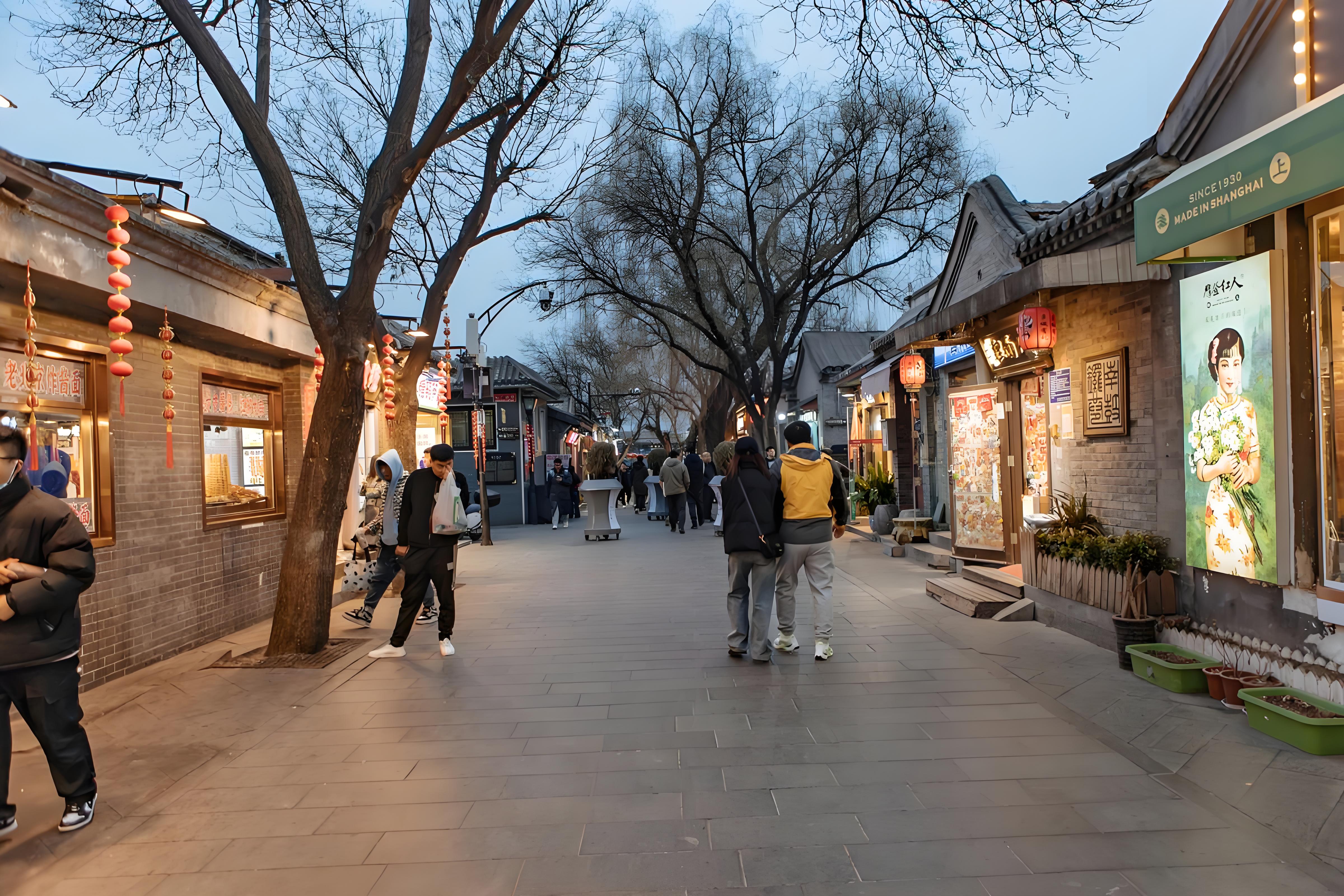
Kuanzhai Alley (Wide and Narrow Alley) is a beautifully preserved area of Qing Dynasty architecture that offers a glimpse into old Chengdu. These three parallel alleys—Wide Alley, Narrow Alley, and Well Alley—have been restored to showcase traditional Sichuan courtyard houses, complete with gray brick walls, wooden lattice windows, and stone-paved pathways.
Today, the alleys are filled with tea houses, traditional restaurants, souvenir shops, and street performers. You can watch face-changing opera performances, get your fortune told, or simply sip tea while people-watching from a bamboo chair. The area is particularly atmospheric in the evening when lanterns illuminate the ancient streets.

Sichuan Hotpot: A Culinary Adventure
If there's one dish that defines Chengdu, it's Sichuan hotpot. This communal dining experience involves cooking raw ingredients—thinly sliced beef, tripe, duck intestines, tofu, vegetables—in a simmering pot of fiery red broth at your table. The broth is loaded with Sichuan peppercorns (which create a unique numbing sensation called "ma la") and dried chilies.
The hotpot experience is as much about the atmosphere as the food. Families and friends gather around steaming pots, dipping ingredients into personalized sauce bowls, and cooling their burning mouths with icy beer or osmanthus wine. For the adventurous, try the "nine-grid" hotpot where each section has a different spice level.

People's Park: The Art of Sichuan Tea Culture
Chengdu's People's Park is the heart of local life, and its tea houses are the best place to experience authentic Sichuan tea culture. For just a few yuan, you can rent a bamboo chair, order a pot of jasmine or green tea, and spend hours watching the world go by.
Tea here is more than a beverage—it's a social institution. Locals come to read newspapers, play mahjong, get their ears cleaned by professional ear cleaners (a traditional service), or simply nap in the sun. The park also features a small lake where you can rent paddle boats, and a dance floor where elderly couples waltz to accordion music.

Jinli Ancient Street: Food and Folklore
Adjacent to the Wuhou Shrine, Jinli Ancient Street is a pedestrian-only area that recreates the atmosphere of a traditional Sichuan market. The street is lined with wooden buildings selling local snacks, handicrafts, and souvenirs. Don't miss the chance to try Sichuan specialties like dan dan noodles, zhong dumplings, and spicy rabbit heads (for the brave!).
In the evening, Jinli transforms with red lanterns casting a warm glow over the cobblestone streets. Street performers entertain crowds with shadow puppetry, sugar painting, and traditional music.
Best Time to Visit
Chengdu can be visited year-round, but the best times are:
- Spring (March-May): Mild temperatures, blooming flowers, and comfortable weather for outdoor activities
- Autumn (September-November): Clear skies, pleasant temperatures, and the famous golden ginkgo leaves
- Summer (June-August): Hot and humid, but perfect for enjoying spicy hotpot and air-conditioned museums
- Winter (December-February): Cool and overcast, but fewer crowds and lower prices
Getting There
Chengdu Shuangliu International Airport and the newer Chengdu Tianfu International Airport offer direct flights from major Chinese cities and select international destinations. Chengdu is also a major high-speed rail hub, with connections to Chongqing (1.5 hours), Xi'an (4 hours), and other cities across western China.
Practical Tips
- Learn to love the spice—Sichuan cuisine is famous for its bold flavors
- Bring cash for small vendors and tea houses
- Wear comfortable walking shoes—Chengdu is best explored on foot
- Try to learn a few Mandarin phrases—English is not widely spoken
- Don't rush—embrace the "slow city" lifestyle and take your time
- Visit the panda base early in the morning for the best experience
In conclusion, Chengdu offers a perfect blend of wildlife encounters, culinary adventures, cultural experiences, and laid-back charm. Whether you're cuddling with pandas, sweating over a hotpot, or sipping tea in a centuries-old teahouse, Chengdu promises memories that will last a lifetime—and a deep appreciation for the art of slow living.


评论一下?